A Case Study in Veterinary Partnership and Stewardship
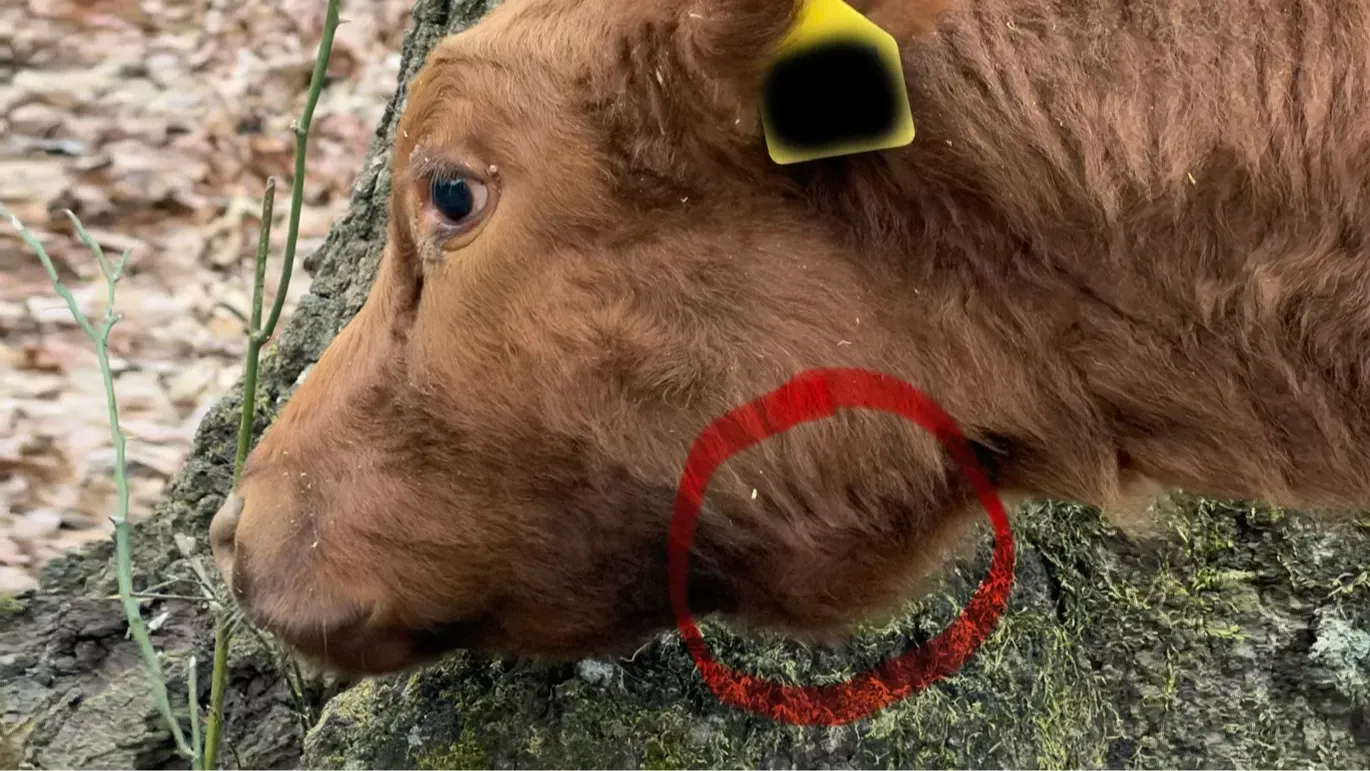
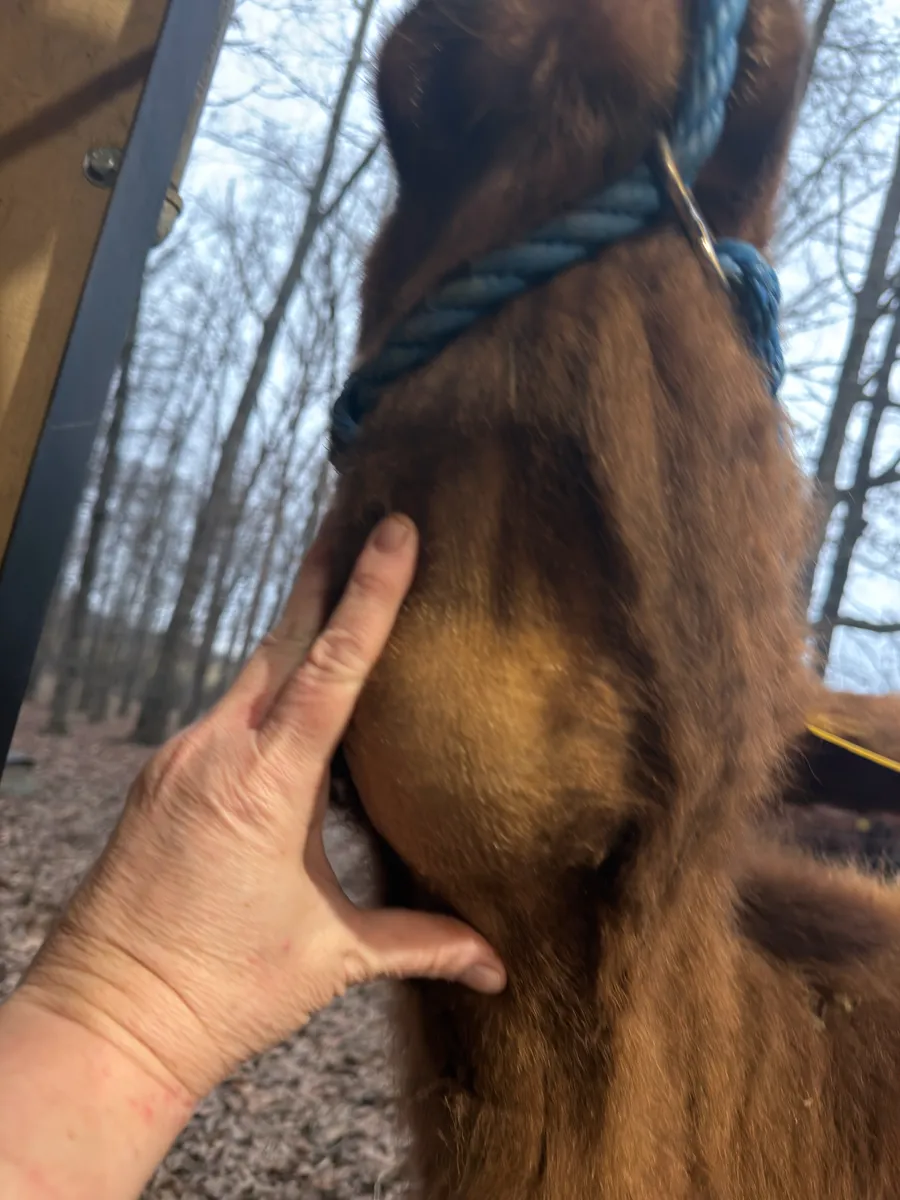
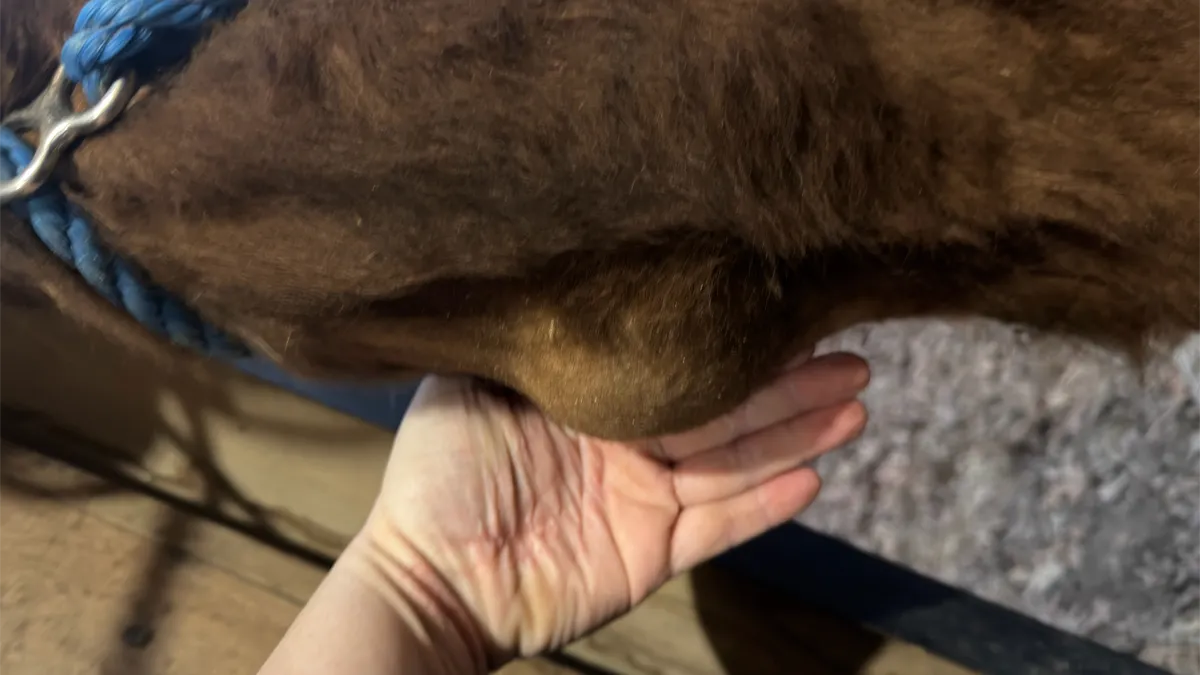
Initial external swelling noted on the lower jaw/neck area of a yearling heifer. No open wounds or systemic signs of illness were present.
This post documents not just the outcome, but the decision-making process behind it.
Just before Christmas, I noticed a very large, hard swelling on a yearling heifer's throat — large enough to stop me in my tracks.
It was December 23rd, about an hour before my veterinarian’s office closed for the holiday. I called immediately. She asked me to shave the area and send photos, which I did. After reviewing them, she told me she could come out Christmas Eve.
Instead of panicking, I asked the most important question:
“Is this an emergency that requires you to be away from your family on Christmas Eve?”
Her answer was no.
She gave me clear guidance on what would make it an emergency — fever, going off feed, lethargy, or any sign the heifer was unwell — and told me to call immediately if any of those appeared. Otherwise, she was comfortable waiting and monitoring.
So we did exactly that.
I told her to enjoy Christmas with her family, and we observed carefully.
Observation Is Not Neglect
From December 23 through the New Year, there was no change. The heifer ate well, acted normally, and showed no systemic signs of illness.
On January 1st, I emailed my veterinarian with an update. She came out the following day. The swelling turned out to be a very large abscess — something that can look alarming externally while remaining surprisingly quiet internally.
This experience reinforced something I believe strongly:
Good animal care depends on good veterinary relationships.
Not emergency heroics.
Not panic.
And not ignoring problems either.
Why Watchful Waiting Worked
It’s worth noting that we both strongly suspected an abscess early on. I’ve experienced abscesses myself — but only in people — so I wasn’t confident diagnosing one in cattle independently.
My veterinarian, however, has decades of large-animal experience. Her confidence, paired with clear instructions on what changes would require immediate action, allowed me to wait without worry.
That balance — experience on one side, observation and follow-through on the other — is what made watchful waiting the correct choice.
Judgment Is Shared, Not Outsourced
Because I have an established relationship with my veterinarian, I wasn’t guessing. I wasn’t crowdsourcing opinions. I wasn’t forced into a rushed decision.
I had:
- Direct access
- Clear guidance
- Defined criteria for emergency action
- Confidence to wait when waiting was appropriate
That’s what a real veterinary relationship provides — not just treatment, but judgment.
Why This Mattered to Me
While she was here, my veterinarian mentioned that in large commercial systems, swellings like this are often ignored unless the animal becomes acutely ill.
I understand the realities of scale; however, that approach is not compatible with how we manage animals here. I have personally experienced an abscess. They are painful.
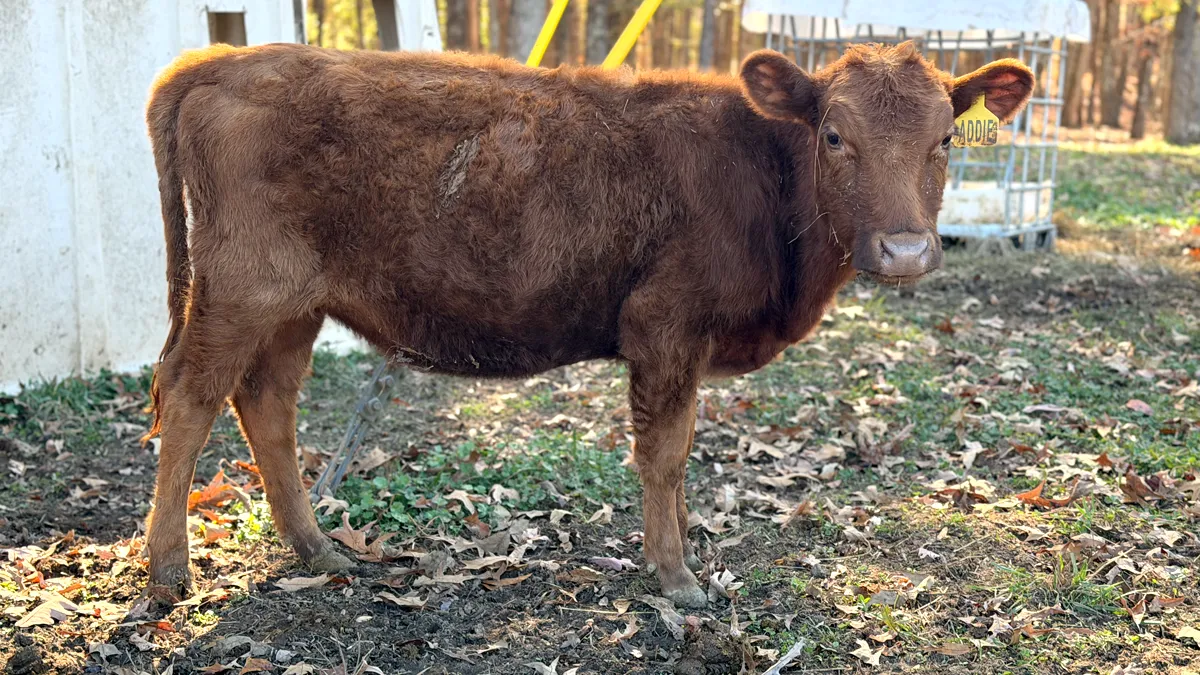
I can’t imagine seeing something like this on a living creature and choosing not to help — especially when that animal is a young heifer with decades of productive life ahead of her. She comes from a good cow. She has twenty years of life in front of her. Growth, comfort, and long-term soundness matter.
The Takeaway
Not every abnormality is an emergency; however, every abnormality deserves attention.
Watchful waiting only works when it is anchored in experience, communication, and trust.
Good stewardship often looks slower from the outside:
- Observe
- Communicate
- Involve a veterinarian early
- Act proportionally
That approach isn’t weakness or indecision — it’s responsibility.
And it’s one of the most important reasons I value strong veterinary partnerships as part of long-term herd health.
Care isn’t measured by how quickly we act — but by how wisely we do.