On-Farm Raw Milk Testing for Safety
by Michelle Parsley, M.Photog., M.Artist, Cr.
“I don’t just bottle milk — I test it . On-farm, in real time.”
Most small dairies send milk samples to an outside lab once a month. Commercial processors may test every truckload before it leaves the farm. But here at Mountain Heritage Farm, I do something different — I test the milk right here on the farm, the same day it’s bottled.
My little Dexter herd makes that possible. Because I milk only a few cows at a time, I can monitor each one closely, track her milk, and verify that what goes into your jar meets a higher standard than any regulation requires.
My on-farm testing isn’t about meeting minimums — it’s about earning trust.
I invested in lab equipment because families deserve to see proof of cleanliness, not just take someone’s word for it. Every test I run is one more way to show that raw milk can be both traditional and transparent — a food you can trust because the data is open for anyone to see.
The On-Farm Lab
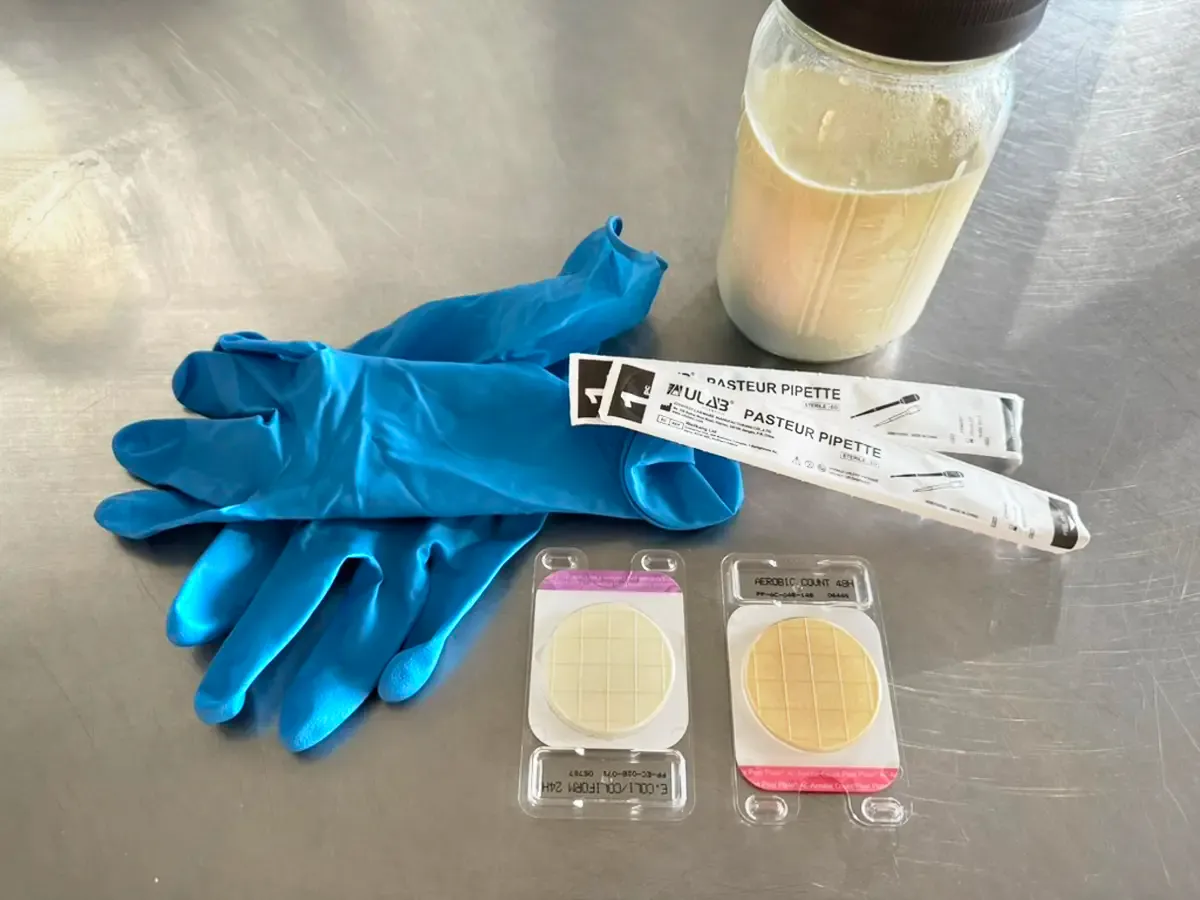
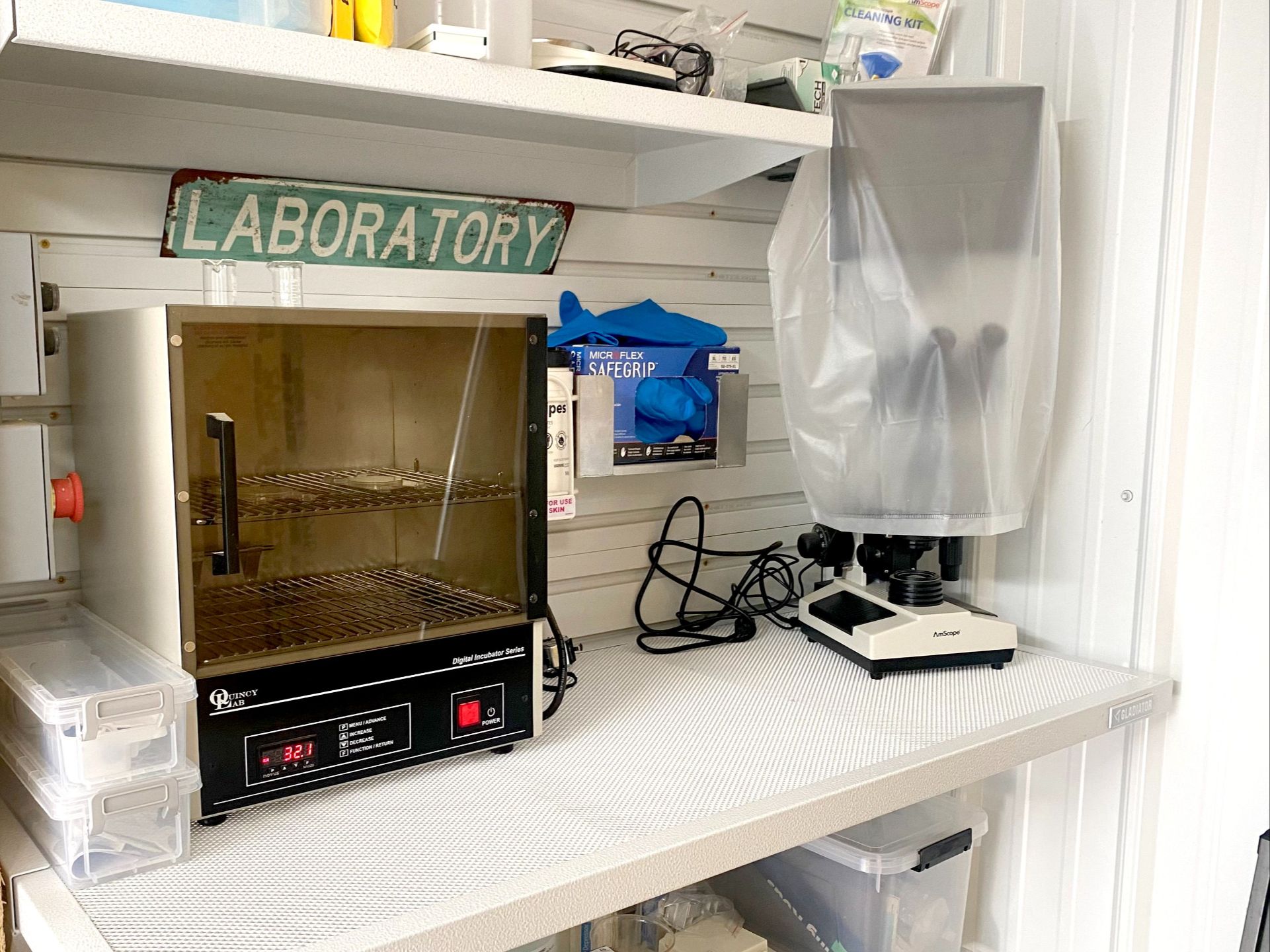
When people visit the farm for the first time, they’re usually surprised to see a small lab tucked beside the milk room. It’s not fancy — just a few pieces of equipment, a steady temperature, and a lot of attention to detail — but it gives me everything I need to know what’s really in the milk before it ever leaves the farm.
On the counter sits a small incubator, petri dishes, sterile pipettes, and the same types of agar plates used in professional food labs. I collect milk samples right after bottling, label them by cow, and set them to incubate overnight. By the next morning, I can see exactly how clean each sample is.
Running these tests myself means I don’t have to wait a week for outside results — I can spot issues immediately and correct them long before milk ever reaches a customer. It’s the same principle as large-scale dairy testing, just scaled to fit a small family farm where every jar still passes through my hands.
The Tests I Run
I run two primary tests on every batch of milk — the Standard Plate Count (SPC) and the Coliform / E. coli combo test.. Each one tells me something different about how clean my process is and whether the milk is as pure as it should be.
Standard Plate Count (SPC) — The Big Picture
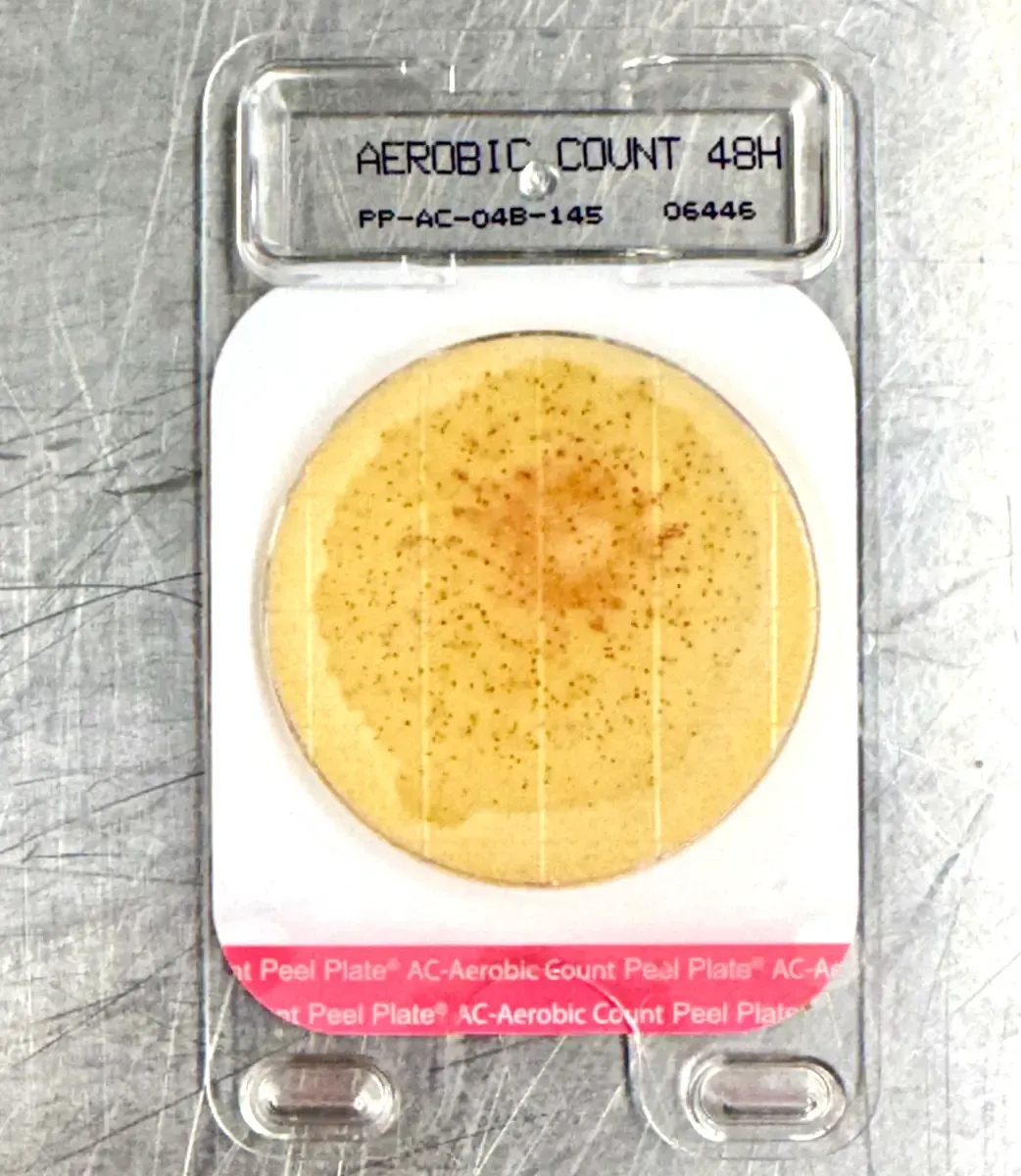
The Standard Plate Count measures the total number of bacteria present in a milk sample.
Every surface a drop of milk touches — the bucket, the filter, the jar — has the potential to add bacteria. The SPC gives me a clear snapshot of how well my cleaning, handling, and cooling systems are working together.
A low SPC number indicates effective sanitation and rapid cooling — both of which reduce the likelihood of pathogen growth. It is an indicator of hygienic handling, not a direct test for specific pathogens. High counts, on the other hand, can signal that something needs attention — maybe a valve that didn’t get scrubbed well enough or a thermometer that’s slightly off.
Catching those small details early keeps the milk consistently clean and sweet-tasting.
📷 This plate looks busy, but it’s actually a good result — well under the 5,000 limit. Those tiny dots show normal, healthy bacteria levels in raw milk that’s been handled and cooled correctly.
Coliform / E. coli Combo — The Sanitation Indicator
While the SPC looks at total bacteria, the Coliform / E. coli combo test zeroes in on very specific sanitation organisms.
These plates help show whether environmental contaminants are present at the time of sampling. While they indicate sanitation performance, they do not test for all possible pathogens. E. coli is the stricter half of the test: it’s the organism regulators use to gauge true safety.
Using combo plates allows me to check both at once, and they make the results easy to interpret — blue colonies would indicate coliforms, pink for E. coli. Most of the time, my plates stay perfectly clear. That’s the kind of confirmation I want before sharing milk with another family: visible proof that the system is working exactly as it should.
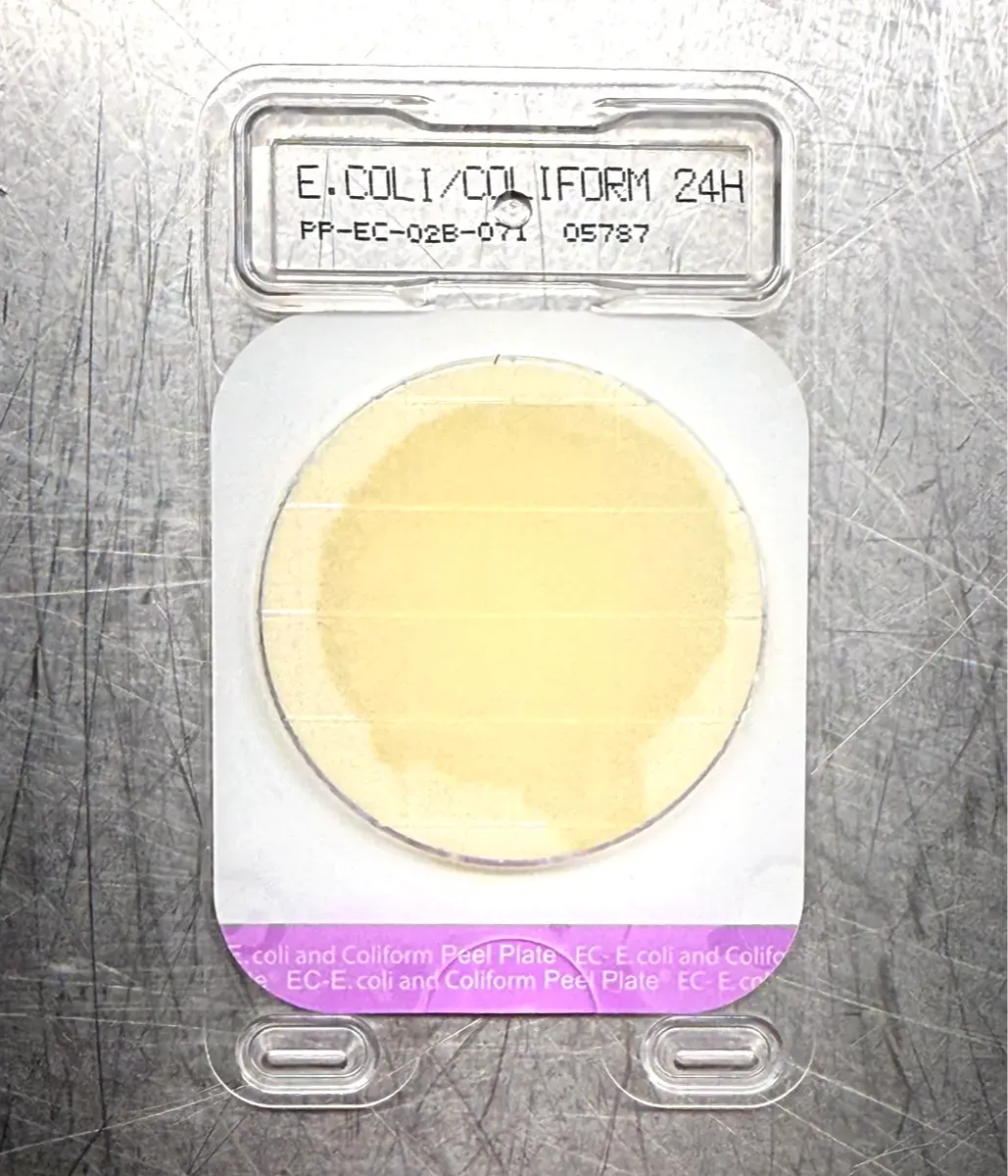
Together, these three tests give me confidence that my milk isn’t just raw — it’s verified clean.
Note: Coliform and SPC tests are hygiene indicators that help track consistency and cleanliness over time. They do not directly detect pathogens such as Salmonella, Listeria, or pathogenic E. coli, and no test can guarantee complete absence of all pathogens.
What About Mastitis?
One question I hear often is, “Do you test for mastitis?”
The short answer is: not with lab equipment. Somatic Cell Count (SCC) testing requires a specialized reader that isn’t practical for most small farms, but that doesn’t mean I ignore udder health. In fact, it’s something I monitor at every single milking.
Before attaching the milker, I perform a quick strip-cup test — drawing the first few squirts of milk through a fine mesh screen. This tells me instantly if the milk looks or feels off in any way. I also check each quarter for warmth, swelling, or texture changes. Those simple hands-on checks catch early signs long before a cow would ever feel uncomfortable or a test could flag an issue.
Dexter cows naturally have excellent udder health compared to high-production commercial dairy breeds. Their small, well-attached udders and lower milk volume mean they’re not under the same physical stress that often leads to mastitis in commercial herds. Still, I keep careful records for every cow — milk texture, behavior, production level, and any changes over time — because prevention matters more than treatment.
If a cow ever shows even a hint of trouble, her milk is pulled immediately until I’m confident it’s back to normal. That’s part of what makes small-scale dairying so personal: I know each cow’s habits, I can spot subtle shifts, and I can act quickly to keep both the cow and the milk in top condition.
👈🎥 This video shows a normal strip test before milking.
Real-World Mastitis Example:
Catching It Early
In all my years of milking, I’ve only seen signs of mastitis once — and even then, it was so mild my vet actually laughed. A few tiny clumps appeared during stripping, so I kept milking that quarter thoroughly to clear it out. No medicine was needed, and no milk went into the tank until I had gone 48 hours completely clear of clumps (the pigs were VERY happy 😂). It was a simple reminder that attentiveness and patience usually solve small issues before they ever become huge problems.
Video: Demonstrating the strip-cup test I use at every milking to check for early signs of mastitis. Those slimy clumps are the beginnings of mastitis.
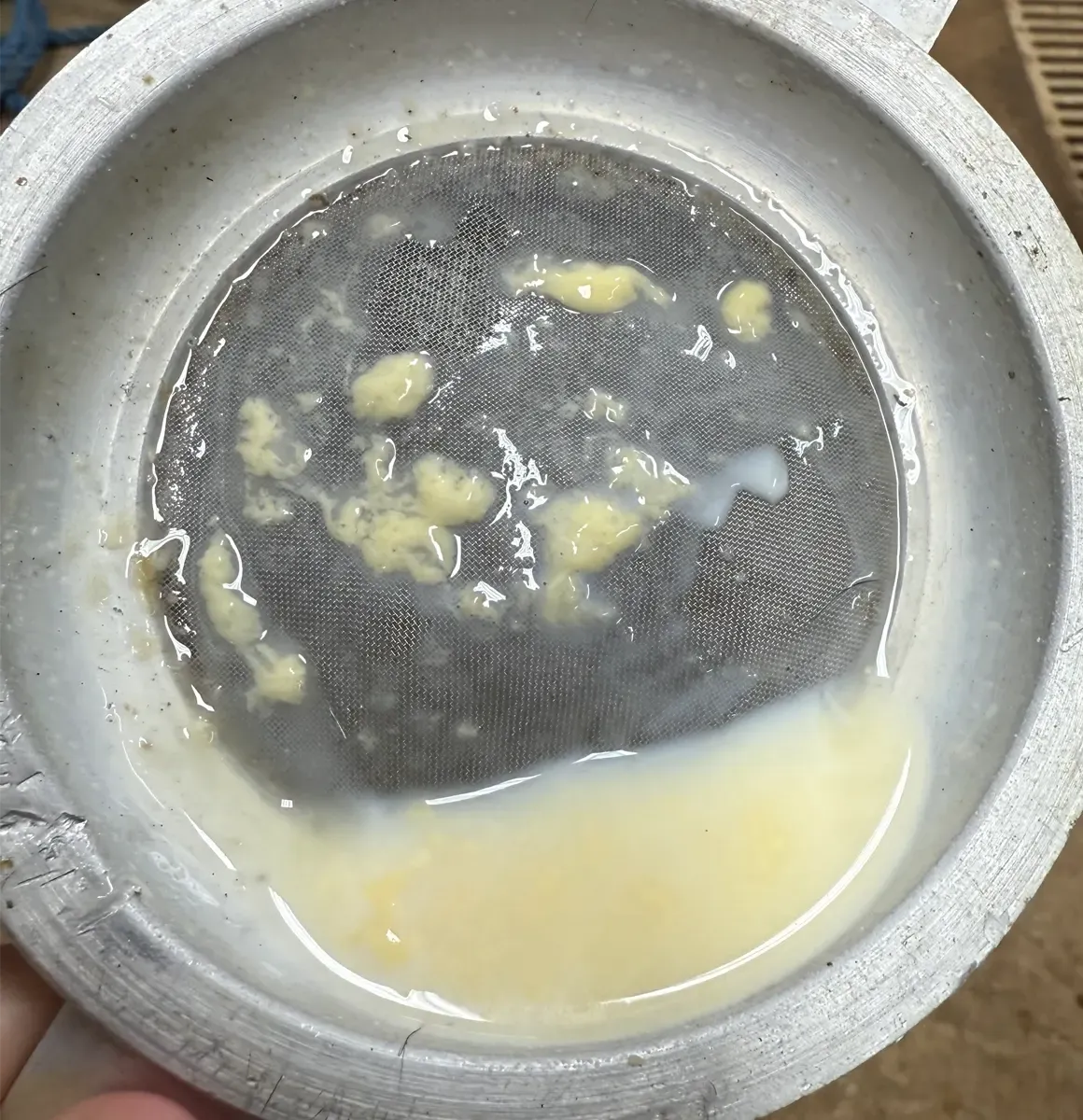
When this mild case showed up, I tested the milk at its worst — and even then, it was still well within legal safety limits. I was horrified! In case you're unaware: those little clumps are pus. I am not drinking that, and I’m certainly not asking anyone else to drink it either! 🤢
That’s the difference between passing a regulation and having standards.
I don’t bottle milk unless it’s genuinely clean, clear, and beautiful — because my family drinks it too.
Transparency in Numbers
I don’t believe safety data should be hidden in a filing cabinet somewhere — it should be easy to see and easy to understand. Every time I test a batch of milk, I record the results and compare them against both Tennessee state and federal limits for raw milk.
Here’s where my milk consistently falls:
| Test | Mountain Heritage Farm Average | Legal Limit (Grade A standard) |
|---|---|---|
| Standard Plate Count (SPC) | 175 cfu/mL | 20,000 cfu/mL |
| Coliform / E. coli Combo | 0 cfu/mL | 10 cfu/mL |
Those numbers matter. The lower the count, the cleaner the milk — and these results are far below even commercial requirements. That’s why our milk stays sweet, fresh-tasting, and safe well beyond the typical raw-milk shelf life.
If you’d like to dig deeper, I post current results on my Raw Milk Transparency page. You can see every recent test and how each cow’s milk performs over time.
I don’t expect anyone to buy milk on trust alone — I want families to make their decisions based on real, verifiable data. Transparency is what makes that possible.
This chart shows the actual, real time test results for my farm:
A Note About Fresh Cows
When a cow has just calved, she’s called a fresh cow. Her body is adjusting to producing milk again, and for a short time, her bacterial count naturally runs a little higher — usually a few hundred on the Standard Plate Count (SPC) test.
That’s completely normal. You’ll see those small jumps reflected in my posted results whenever a new cow joins the milk line. Even then, the numbers are still far below the legal limit — proof that clean handling matters far more than the cow’s stage of lactation.
Frequently Asked Questions
How often do you test your milk?
What’s considered a “safe” bacterial count in raw milk?
Why don’t you test for somatic cell count (SCC)?
Can raw milk ever test “too clean”?
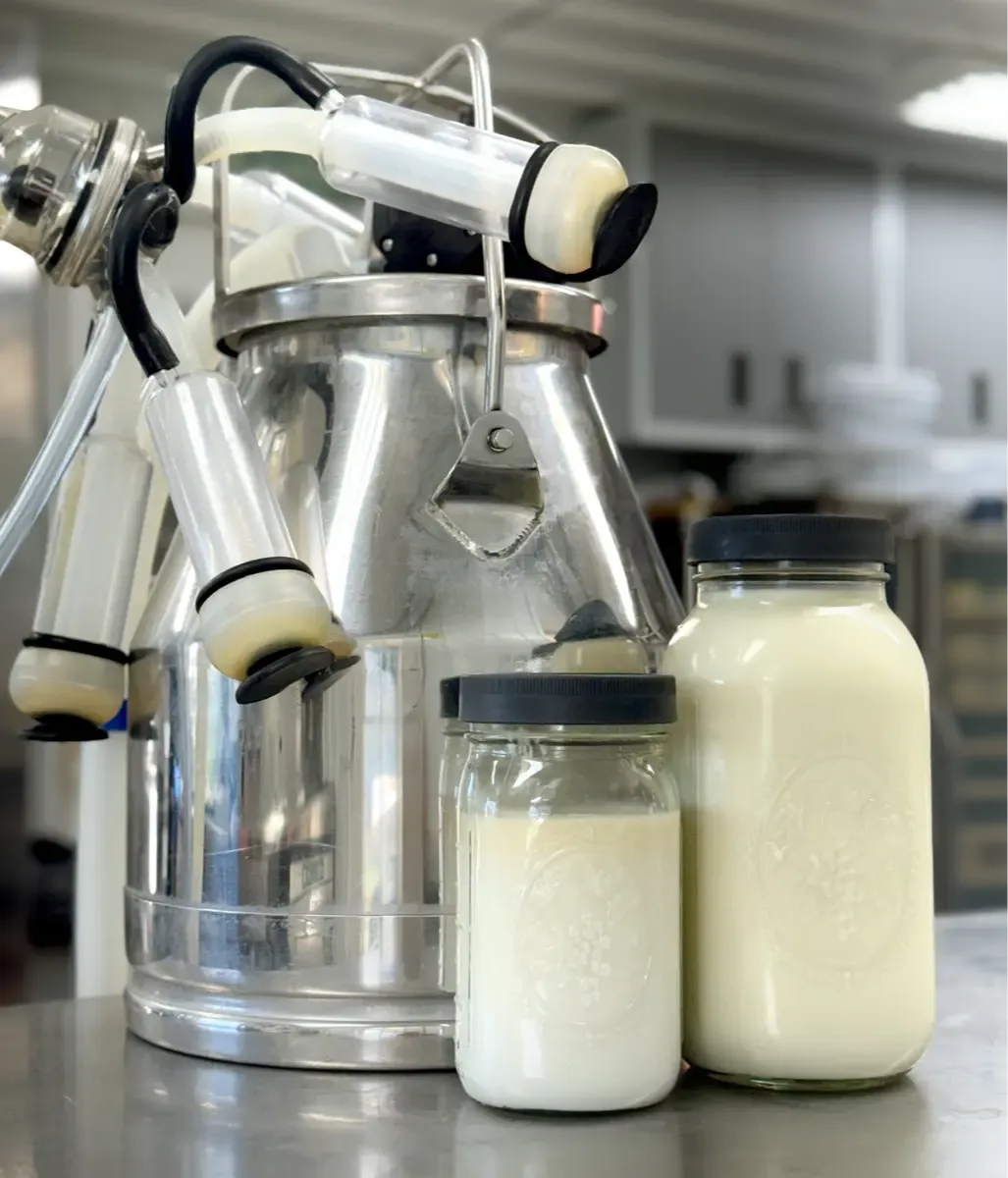
At the end of the day, numbers and charts are only part of the story. What really matters is knowing that the person behind your milk takes safety personally. For me, testing isn’t a chore or a requirement — it’s a promise.
My family drinks this milk every day, just like my customers do. I know each cow by name, I watch their health closely, and I verify the milk they give before it ever leaves the farm. That’s why I’m comfortable handing a jar to another family: I’ve seen the proof for myself.
If you’d like to follow along as I post new results and share updates from the barn, you can visit the Raw Milk Transparency page or sign up for Babywatch Updates. It’s the best way to see the data — and the cows — behind every bottle.
Because trust shouldn’t be assumed. It should be earned, tested, and proven, one jar at a time