What Should I Feed My Milking Dexter Cow? Pasture, Hay & Grain
Step 2 in the Raw Milk Roadmap • by Michelle Parsley, M.Photog., M.Artist, Cr.
If you’re standing in the barn wondering: “Is grass enough?” “Should I feed grain?” “Why is she getting thin?” “Am I pushing her too hard?”
You’re not alone.
Feeding is one of the most confusing parts of milking a Dexter because the advice online is often confident and wildly inconsistent.
You may hear things like:
- “Grass-only is always enough.”
- “Never feed grain.”
- “Always feed during milking.”
- “Never feed during milking.”
- “A good cow should never lose condition.”
Here’s the steady principle that holds up in real barns: Milk requires fuel. When intake does not match output, the cow will pull from her own body — regardless of ideology.
The goal of this page is to help you feed in a way that protects: body condition, rumen function, and long-term fertility.
Please note: This page is written for the small-scale Dexter owner milking one or a few cows for family use. It is not a commercial dairy ration guide. It is a practical framework for balancing production and condition in a family milk cow.
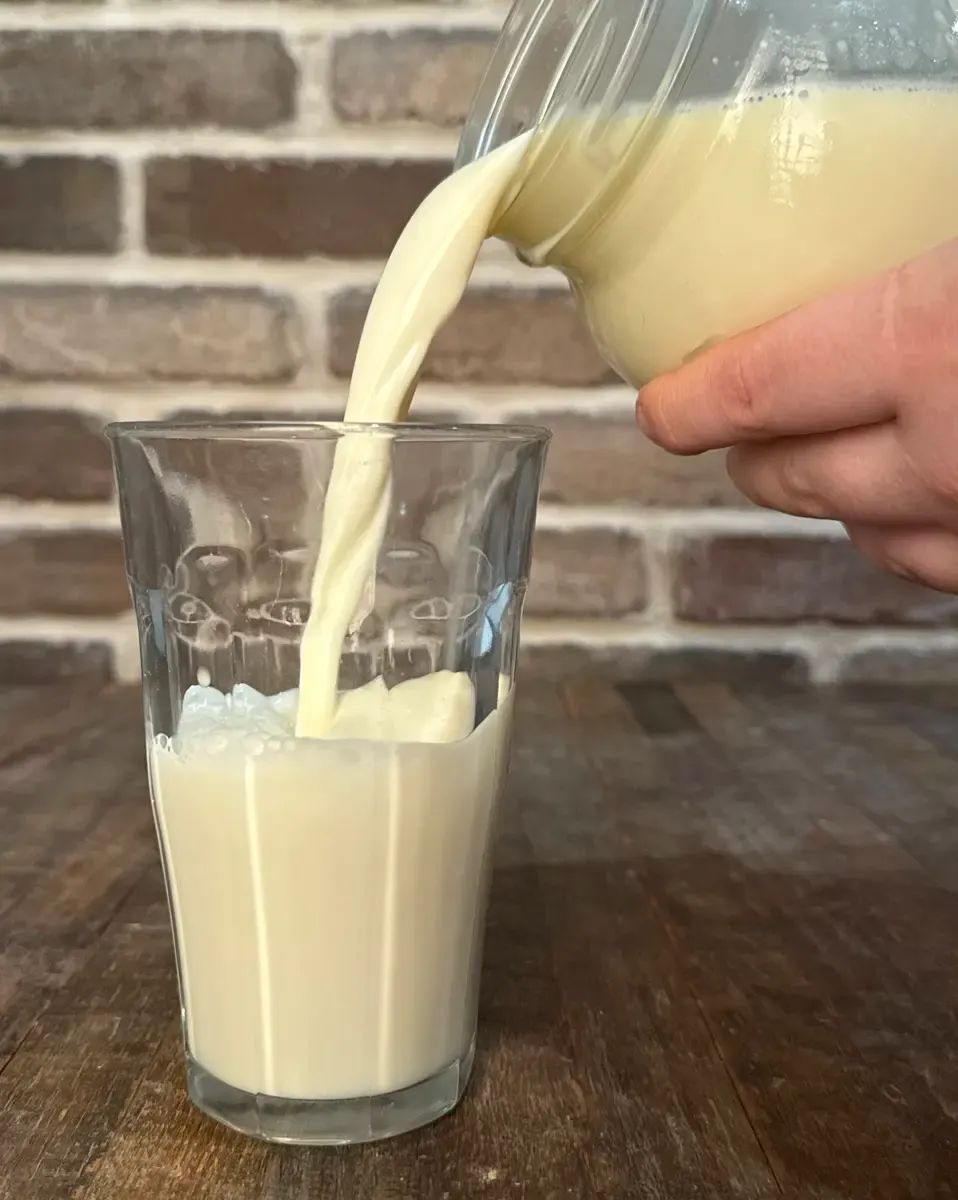
Milk Is Built From Feed
Milk does not appear out of nowhere.
Every pound of milk contains:
- Protein
- Butterfat
- Lactose (milk sugar)
- Minerals
Every ounce comes from what your cow eats.
If intake does not match output, she will:
- Pull fat from her back
- Pull protein from muscle
- Struggle to cycle
- Lose resilience
Why Dexters Need Thoughtful Fuel
Dexters are dual-purpose cattle.
They were not bred to be extreme dairy animals like a Holstein Friesian, however, good Dexter milkers can surprise you.
High production and high persistence cows may:
- Look fine at peak
- Drop weight suddenly
- Continue milking hard
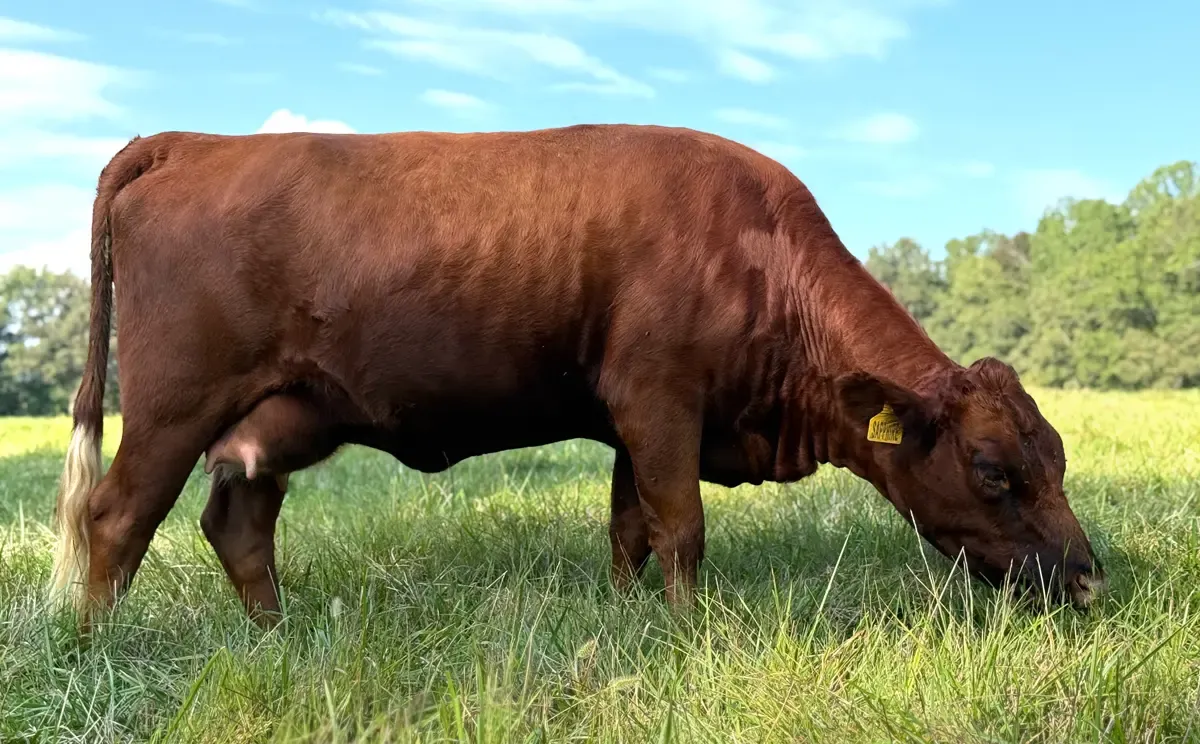
Dexters are smaller-framed cattle, so condition changes show faster than they do on larger breeds. A cow can look fine at peak, then drop weight quickly while continuing to milk hard.
That pattern isn’t a moral issue — it’s a math issue. Milk output must be matched by energy intake, or the cow will pull from her own reserves. The goal is steady production with enough condition to support health, breeding back, and long-term resilience.
“Is Grass Enough?”
Grass can be enough sometimes — but only when pasture quality, season, and milk output line up. In my experience, many milking Dexters need some supplemental energy at certain times of year (especially early lactation, summer heat, drought, or winter) to maintain steady condition and production.
Pasture quality changes:
- Spring flush
- Summer heat
- Fall decline
- Drought stress
Energy density changes with it.
A cow milking steadily in lush April grass has a different fuel demand than a cow milking in August drought or January wind.
Feed must match season, milk production, and available forage.
Pasture Is Part of the Ration
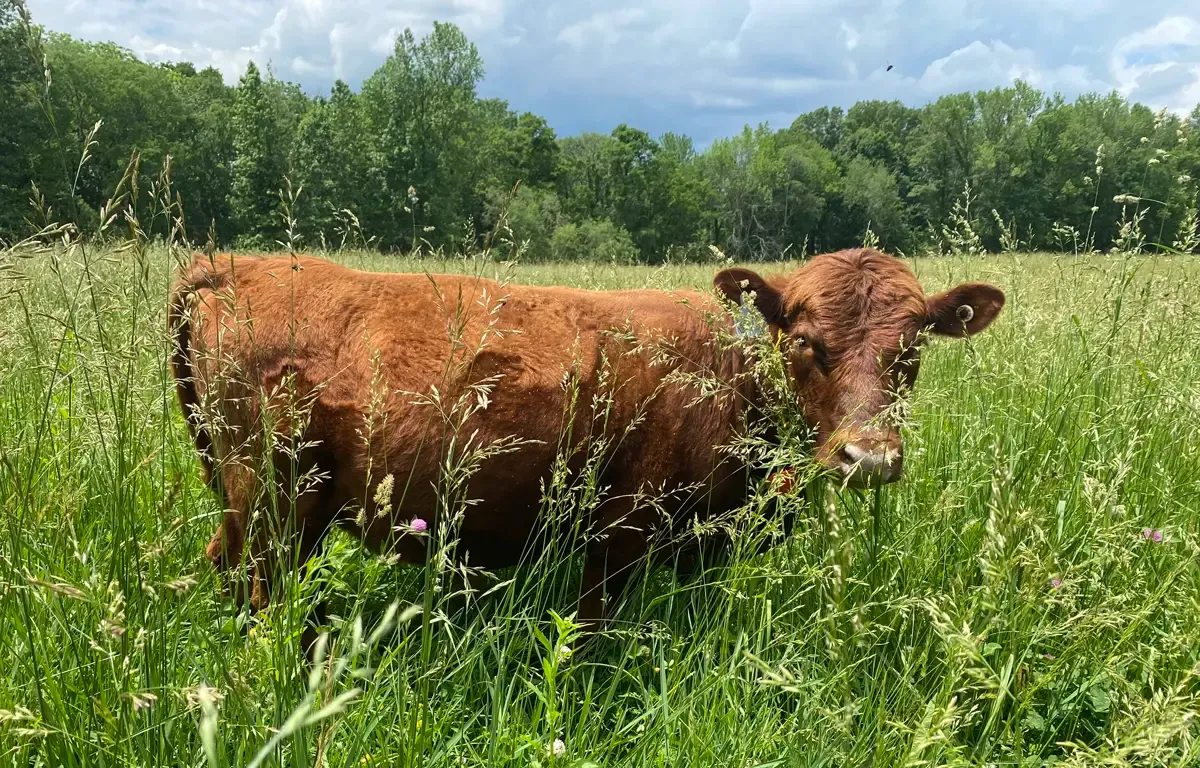
Pasture does not just happen by magic.
Pasture Does Not Happen by Accident:
-
Intentional seeding (warm and cool season varieties)
-
Soil testing
-
Mineral amendments
-
Managed stocking pressure
We soil test annually and apply recommended amendments. We seed both warm and cool-season grasses to extend quality forage throughout the year. I rotationally graze when stocking density allows.
Even then, pasture quality shifts with weather, maturity, and season.
- Spring pasture is not August pasture.
- Drought pasture is not lush pasture.
- Cold-stressed pasture does not carry the same energy as mild weather growth.
Your cow’s intake changes when your pasture changes.
Pasture Does Not Manage Itself
Good pasture is built, not assumed. Even so, pasture alone does not always meet the demands of a heavy-producing dairy cow.
Grain Is a Tool, Not a Test
To say cows in the wild never eat grain is simply incorrect.
Cows on pasture routinely eat:
- Grass seed heads
- Mature forage grains
- Volunteer cereals
I have watched my cows selectively take the seed heads off grasses in the pasture. Those seed heads are grain.
Grain is an ideal energy source and they will choose it when it is available.
When milk production goes up, or weather turns brutal, your cow's energy needs go up too. If a cow is shivering in negative wind chill while milking steadily, she needs more fuel.
Grain is simply a tool for adjusting energy density when forage alone isn’t meeting demand. Some cows can maintain condition on exceptional pasture; many can’t — especially in early lactation, winter, drought, or when production is high.
The question is not “Should anyone ever feed grain?”
The question is: Is your cow holding condition while producing milk?
🎥 In the video, see a Dexter calf eating grain right off the plant.
What Body Condition Looks Like in Real Life
Milk production changes a cow’s body. The goal is not fat. The goal is balance.
Body condition must be evaluated in light of metabolic demand.
Nursing One Calf — Moderate Lactation Demand
This 16 year old cow is nursing a 3-month-old calf.
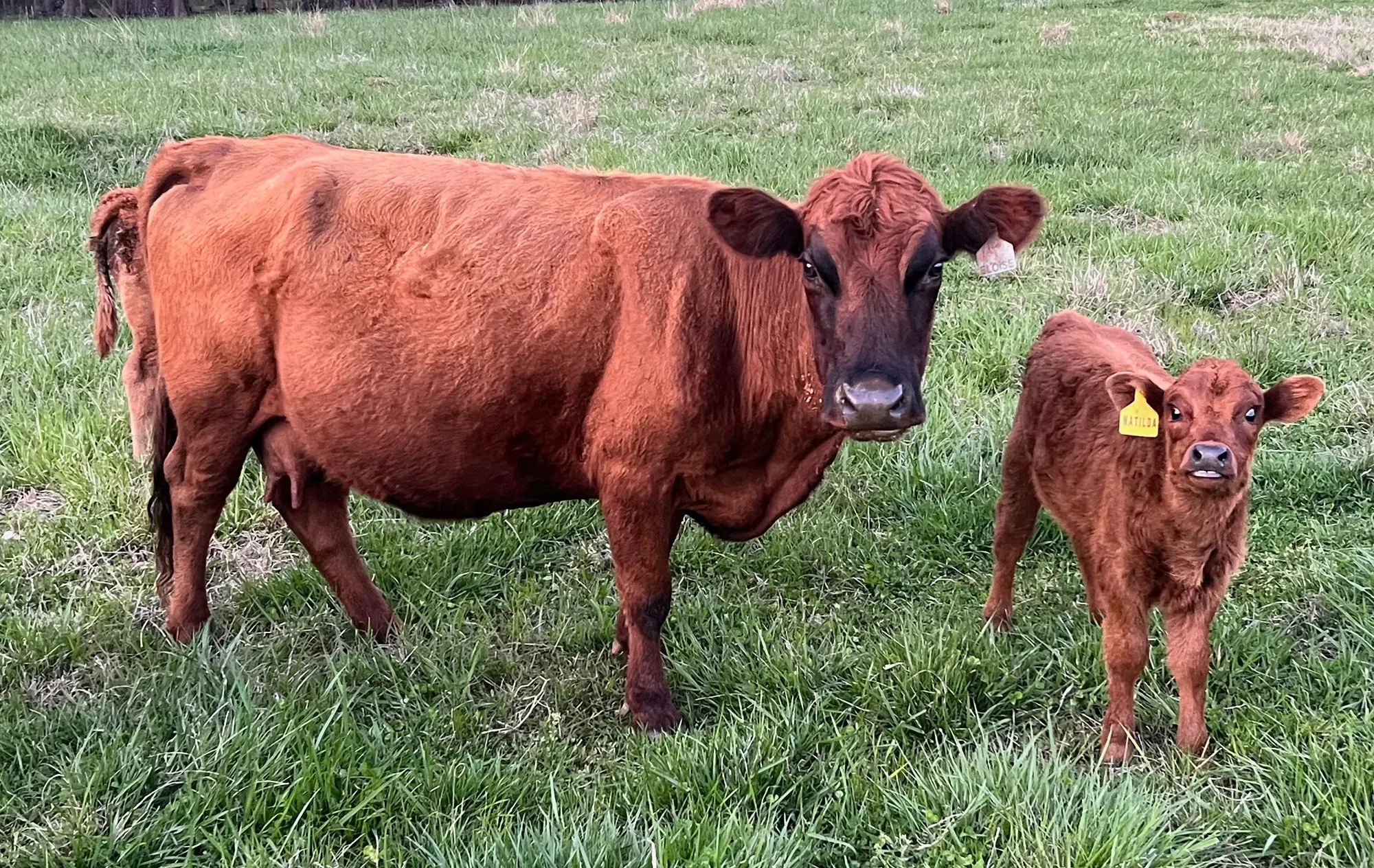
Notice:
- Smooth topline
- Rounded hooks and pins
- Minimal rib visibility
- Even muscle and fat cover
A cow feeding one calf has lactation demand — but it is typically lower and more self-regulated than machine milking or multiple calves.
On high-quality pasture, many cows can maintain good condition while nursing a single calf.
This is controlled lactation demand.
Early Lactation — Heavy Production, Twice Daily Milking
Your once daily milking with calf share may also look like this.
Early lactation is the highest metabolic demand a cow will experience.
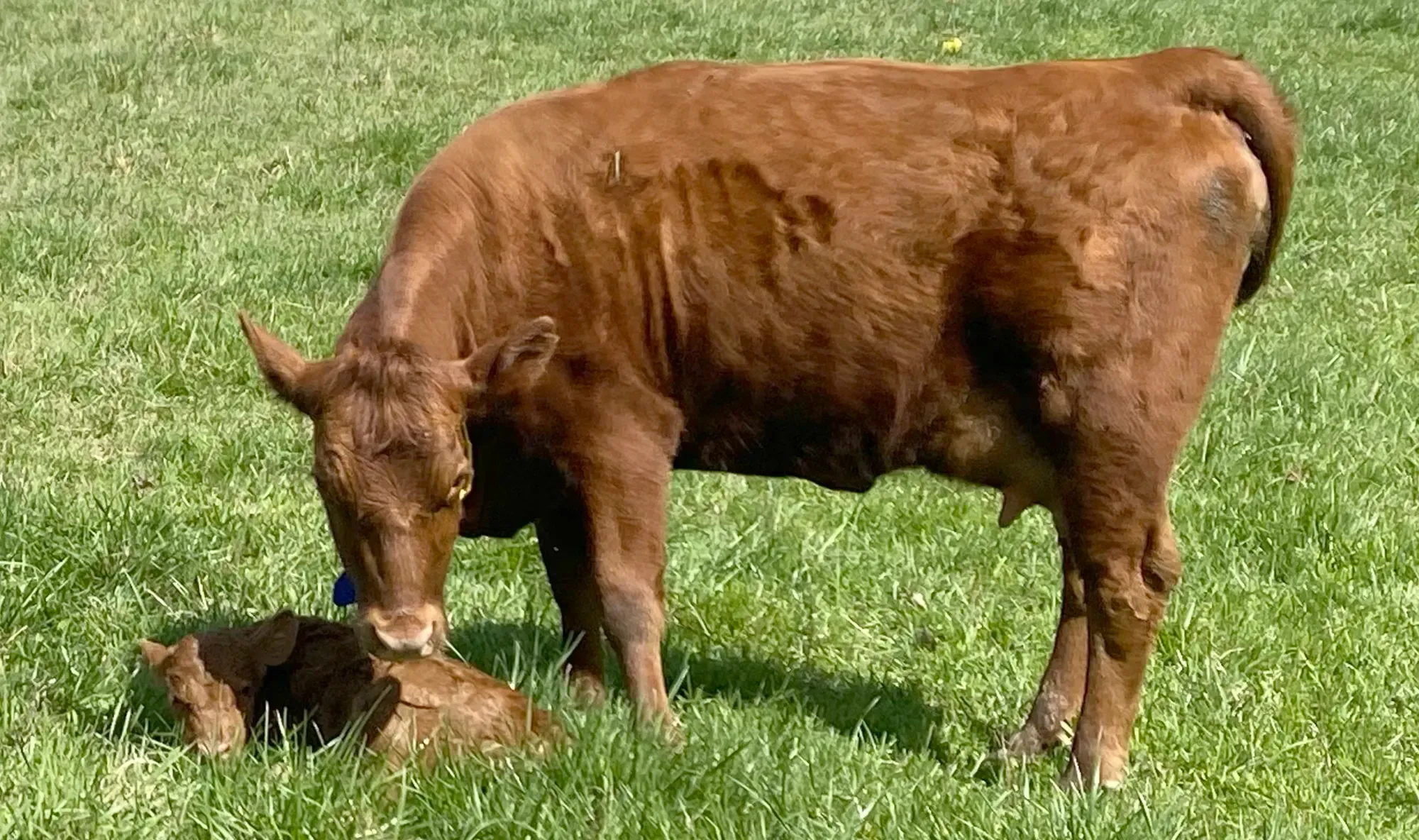
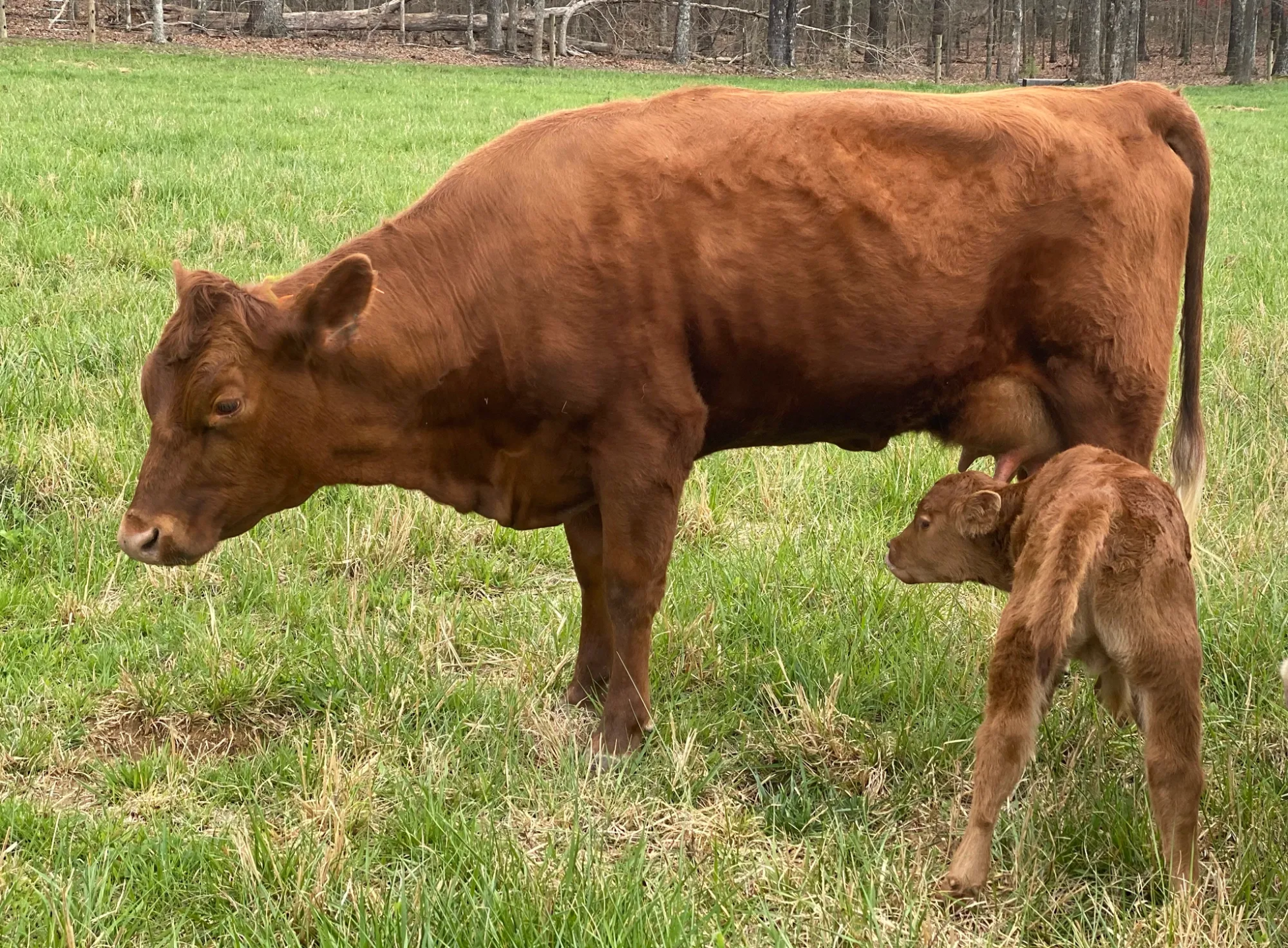
Note: The left image is the day she delivered. The right image is day 17 of her lactation. Heavy producers can drop condition quickly.
The Cow That Changed My Feeding Program
This cow is the one who taught me that early lactation needs should be anticipated, not handled after the fact. In her first weeks fresh, her milk output rose faster than her intake. Even on good pasture with modest supplementation, she began pulling from her own reserves.
That was the moment I learned something I now plan for every calving: In early lactation—especially with heavy producers—pasture alone may not keep up with demand. In my herd, the practical answer was adding energy (often via grain) early and increasing it gradually, while watching body condition closely.
Waiting until ribs are sharp is too late.
Now, I step feed forward in the first couple weeks after calving—slow changes, steady observation, and adjustments based on what the cow is showing me.
Why Milking Dexter Cows Can Lose Condition After Calving
When milk output temporarily exceeds intake, a cow can lose condition quickly—even with good pasture. The management goal is to recognize the slide early and respond deliberately so intake catches up with output.
This is not neglect.
It’s physiology—and it requires watchful management.
Milk production rises rapidly after calving. Appetite often lags behind output. Even on excellent pasture, intake may not immediately match production.
You may see:
- More visible ribs
- Slight loss over the topline
- Leaner overall appearance
Some loss of condition in early lactation can be normal up through day 21. Persistent or worsening loss beyond peak production is not.
Milk demand must eventually be matched by intake.
Balanced Working Condition — Production Supported, Twice Daily Milking
Alternative, once daily milking with calf sharing.
This is the target for a milking cow.
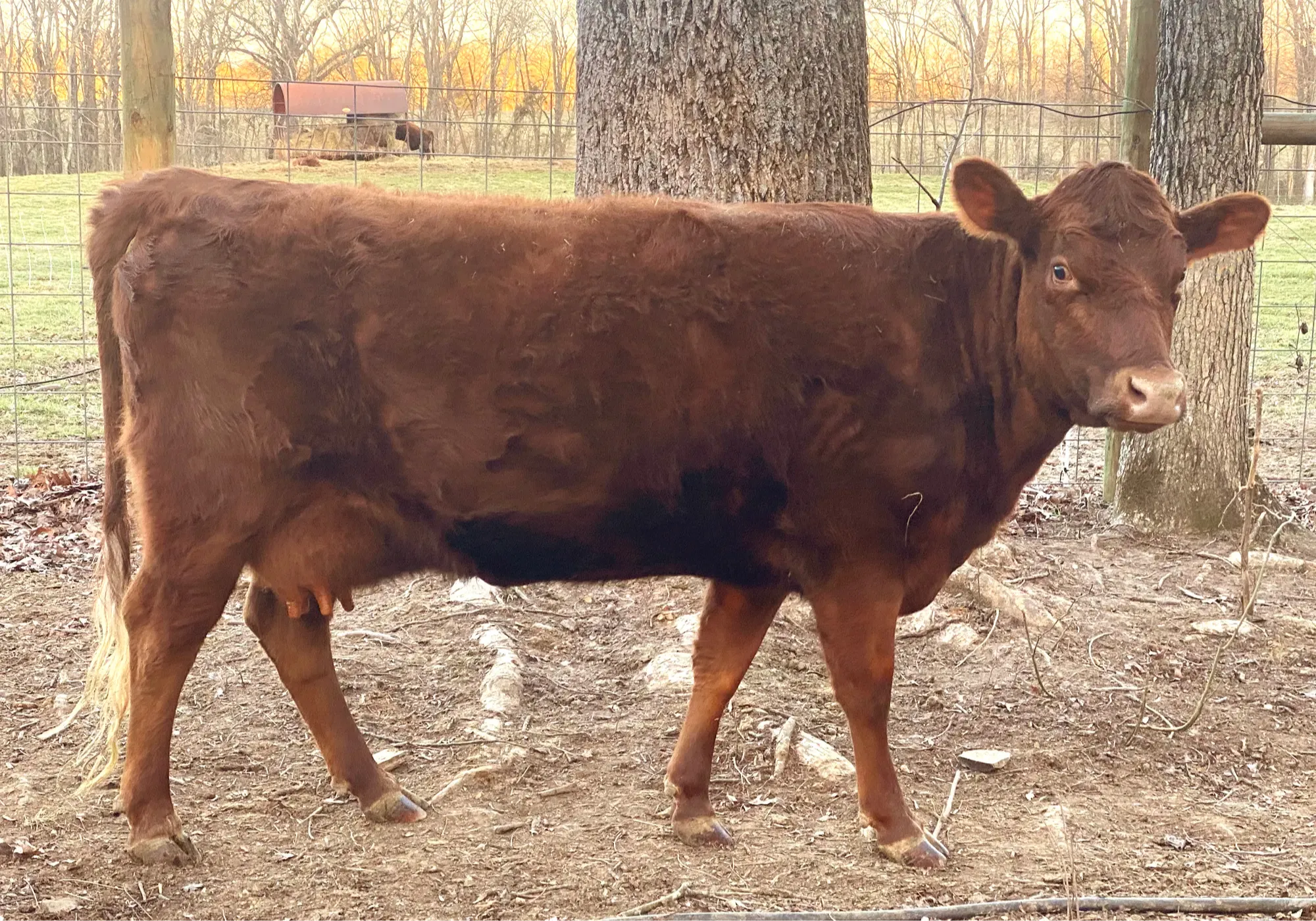
This is the same cow just a few weeks later. Ideal working dairy condition is athletic — not fat, not angular.
Even while producing approximately 4 gallons per day, she regained condition and maintained steady output through intentional energy adjustment. High-producing cows require more energy. That is not a flaw in genetics — it is the biological cost of milk production. The carbohydrates in grain made the difference for her.
Notice:
- Ribs may be lightly visible but not sharp
- Topline remains smooth
- Hooks and pins defined but not angular
- Milk steady
- Condition holding
The goal is not excess fat. The goal is steady production with adequate reserves to support health and timely breed-back.
How Much Grain Should I Feed My Milking Dexter Cow?
The right amount of grain depends on her milk production, body condition, and stage of lactation — not internet opinion.
Nursing one calf:
Often sustainable on high-quality pasture.
Milked twice daily, or once with calf sharing:
Higher, more consistent milk removal. Pasture plus supplemental feed is often required to protect condition.
Nurse cow raising multiple calves:
High demand. Pasture alone rarely supports long-term body condition.
- Milk removal increases demand.
- More mouths increase demand.
- Weather increases demand.
Increase energy when:
-
Milk is strong but condition is dropping
-
Weather turns cold and intake must rise
-
Early lactation demand outpaces reserves
Increase slowly. Watch manure. Watch rumen fill. Watch ribs.
Demand changes the ration.
Warning: Increase Feed Slowly
Cattle are ruminants. Their rumen functions through a delicate microbial balance. Those microbes adjust to diet changes over time — not overnight.
Sudden increases in grain or concentrated feed can cause:
- Rumen acidosis
- Off feed behavior
- Diarrhea
- Lameness
- Rapid dehydration
- In severe cases, death
Acidosis is not a minor inconvenience. It is a medical condition that often requires veterinary intervention.
When you increase energy, do it gradually.
- Increase by small increments
- Hold the new level for several days
- Watch manure consistency
- Watch appetite
- Watch behavior
Steady adjustments allow rumen microbes to adapt.
Sudden jumps overwhelm the system.
Feeding is not about dumping fuel into a cow.
It is about supporting fermentation in a controlled way.
Steady, appropriate feeding supports production. Rapid, reactive feeding creates problems.
Common Feeding Mistakes
- Waiting until ribs are sharp before increasing energy
- Increasing grain too quickly
- Chasing peak milk indefinitely
- Ignoring pasture quality
- Forgetting minerals
My “Magic Formula” for Feeding Your Milk Cow
Feeding a Dexter family milk cow does not have to be complicated.
The most important thing to remember is: feed the cow in front of you.
Look at her body.
Look at the milk pail.
Then decide if adjustments are needed.
To know what to adjust and when, I reduce it to two letters:
Protein = P → Production
Carbohydrates = C → Condition
Protein fuels milk production. A fantastic source is alfalfa hay or pellets.
Carbohydrates protect the cow's condition. The best carbs for your cow are grains.
If she has good fat cover → her carb ration is appropriate.
If ribs are showing → her condition needs attention, increase carbs.
If production is dropping sharply → evaluate the protein ration.
If she is holding flesh but production is low → evaluate protein.
If she is milking steadily and holding condition → the ration is balanced.
That’s it.
That’s the magic formula.
Milk is built from protein.
Body condition is protected by carbohydrates.
Simple.
Here is my "magic formula" in a simple decision chart you can reference quickly.
The P & C Feeding Formula
A simple decision framework for balancing milk production and body condition.
| What You See | What It Means | What To Adjust |
|---|---|---|
| Milking well, losing weight | Energy deficit | ↑ C (Carbohydrates) |
| Holding flesh, dropping production | Protein may be limiting | Evaluate P |
| Steady milk, good condition | Balanced ration | Hold steady |
| Showing excessive rib and hips | Condition too low | ↑ C slowly |
| Stable body, stable milk | Working ration | Do not change |
Printable Barn Reference
Download a one-page decision framework for balancing production and body condition.
Download The P & C Feeding FormulaPoint of Note: Early lactation is when cows are most likely to lose condition rapidly. The first 21 days she will likely drop weight but should begin gaining again after that. Monitor closely during the first 60 days in milk and adjust gradually as needed. If feed adjustments are not correcting condition, consult your veterinarian to discus underlying issues such as parasite load or health stressors.
Feeding Is More Than a Feed Scoop
Feed, pasture quality, stage of lactation, weather, genetics, and management all work together. No single ingredient determines success. Milk production is the result of a whole system — not one product.
The most honest measure of whether your feeding program is working is body condition — not internet opinion.
Should You Feed a Dexter During Milking?
Feeding during milking is a management tool.
A small amount of grain or concentrate offered during milking can:
- Encourage calm standing
- Provide energy during early lactation
- Support body condition when production is high
However, it is not mandatory. Some cows stand quietly without feed. Others benefit from it, especially in early lactation. The standard is not “never” or “always.” The standard is whether the cow maintains condition, cycles normally, and breeds back on time.
Milk Naturally Tapers
Milk production is not linear. It rises after calving, it peaks, and then it gradually declines. That is normal physiology.
You Cannot Feed a Cow Into Milking Forever
If production is tapering normally, do not keep increasing protein in an attempt to force it back up. Milk is driven primarily by stage of lactation and hormonal cycles — not just feed. Adding more protein to a declining lactation will not recreate peak production.
It will only:
- Waste feed
- Increase cost
- Create imbalance
The goal is not to chase peak milk indefinitely.
The goal is:
- Steady persistence
- Maintained body condition
- Timely breed-back
- Long-term soundness
Feeding should be adjusted downward during the dry period to prevent over-conditioning before calving.
Feed supports lactation. It does not override biology.
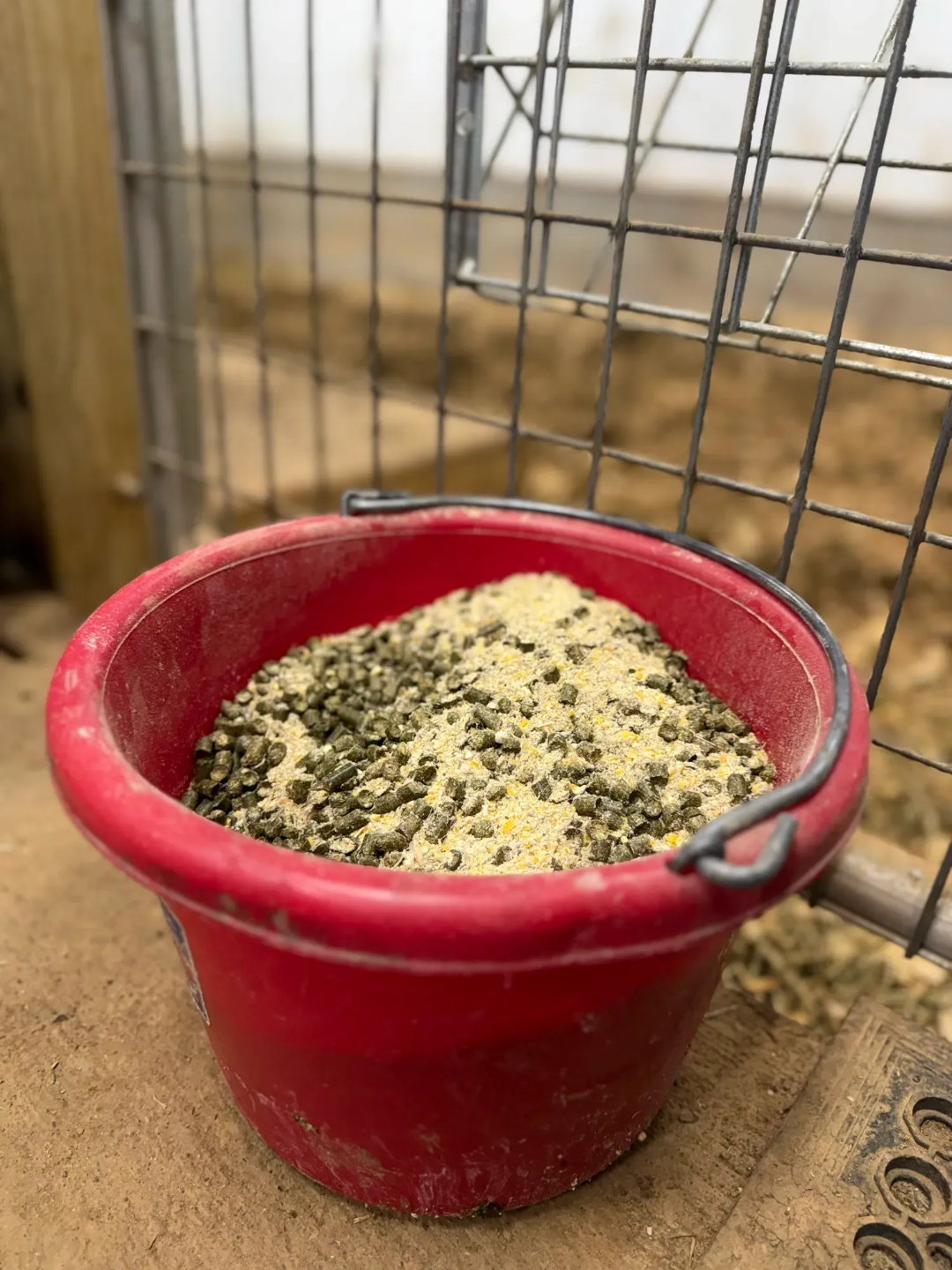
What I Feed
My program is straightforward:
- Alfalfa pellets for protein
- Crushed COB for carbohydrates
- crushed corn, oats, barley, hay, and molasses
- 2 cups black oil sunflower seeds (BOSS) daily
- A natural source of vitamin E and an easy way to add energy density. In our herd, it’s been a simple, consistent add-on that we tolerate well—but as always, any feed change can affect milk, and results vary by cow and season.
- Dietary fat can support energy density, but excessive fat can disrupt rumen fermentation. Moderation matters.
- Free-choice hay, 365 days a year
- Pasture 365 days a year
- Fresh, clean water
- Milk is mostly water. Inadequate water intake will limit production before feed does.
- Free choice minerals (more on that below)
Simple. Consistent. Adjustable.
A Practical Starting Point
For a milking Dexter in moderate production:
- On pasture most of the time
- Free-choice quality hay 365 days a year — yes, even in summer
- They will use hay to help stabilize rumen function.
- 8–16 cups crushed COB per milking
- adjust to condition
- 6–12 cups alfalfa pellets per milking
- balance for production
- Clean water always available
- Free choice minerals always available
Then adjust based on:
- Body condition
- Weather stress
- Milk output
Feed the cow in front of you — not the online ideology.
Free-Choice Access
Every milking program should include:
- Loose mineral appropriate to your region
- Long-term health is not possible without proper mineral balance.
- I use Vigortone Beef Mineral with Magnesium
- Sodium bicarbonate, i.e. "baking soda"
- Supports rumen buffering and fermentation stability.
- Available in 50 pound bags from farmer's supply inexpensively
- Kelp meal
- Expensive and optional, however, provides trace micronutrients. We eliminated summer pinkeye after adding it.
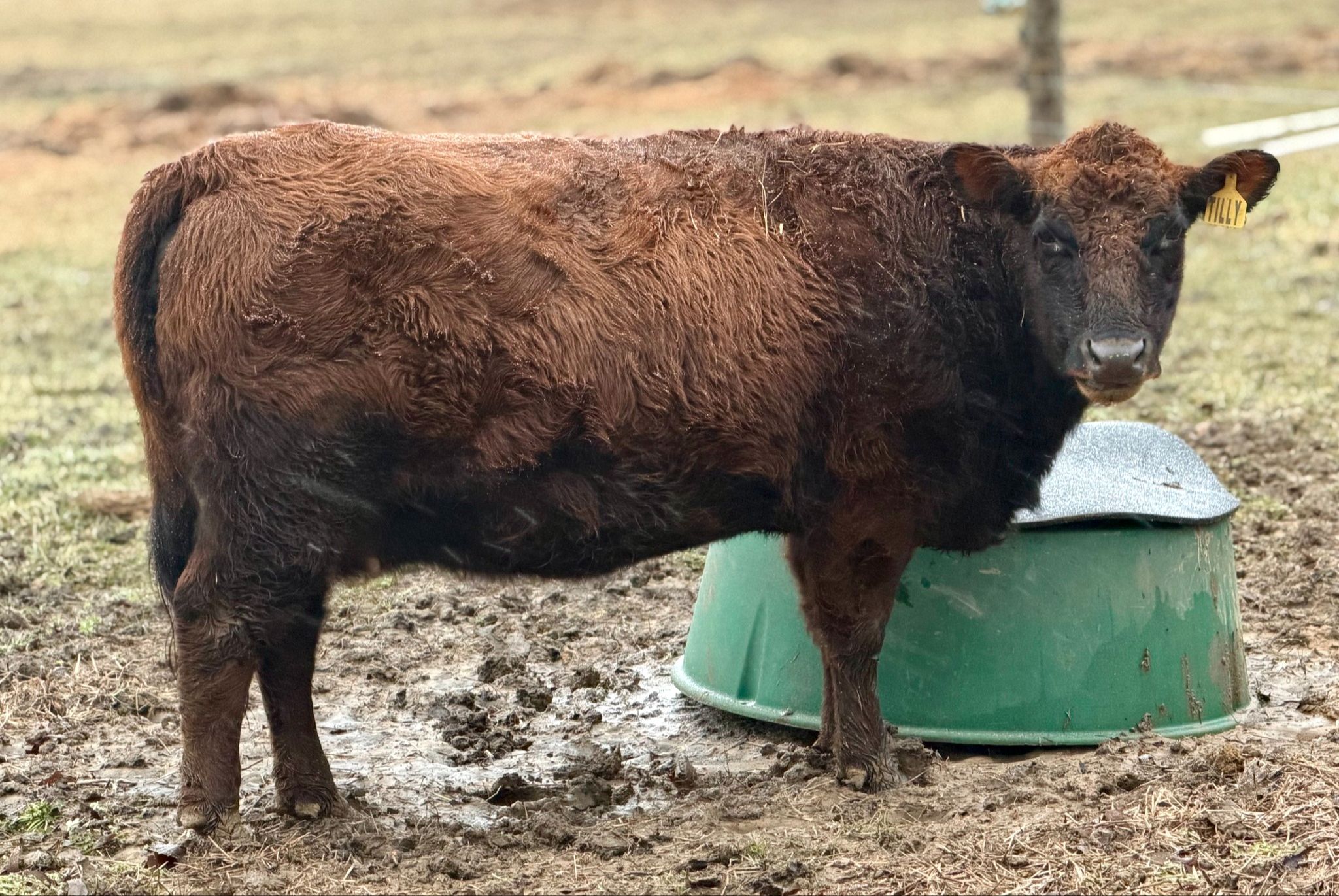
📸 This round green tub is a covered free-choice mineral feeder. Cows can access minerals in three separate compartments whenever they need them. The rubber lid keeps minerals dry. Cattle push it up with their nose to access loose mineral, baking soda, and kelp meal.
Feeding Changes Across Lactation
Dexters are not high-volume commercial dairy cattle, but good milk lines can produce heavily for their size. Their smaller frame means energy deficits show quickly, so thoughtful supplementation protects condition and longevity.
Early Lactation (0–60 days):
Highest metabolic demand. Intake lags behind production. Condition can drop quickly. Energy must be increased thoughtfully and gradually.
Mid Lactation:
Peak has passed. Production stabilizes. Condition should recover or hold steady. Ration often levels out.
Late Lactation:
Milk naturally declines. Do not chase peak. Gradually reduce energy as production falls to avoid overconditioning.
Dry Period:
Maintenance and mineral balance matter more than production. Overfeeding during dry period creates metabolic problems later. My cows are only on pasture when they're dry (exception: extreme cold that requires extra calories).
Let Your Cow Speak
There is no shortage of online opinions about feeding a milk cow. Advice is loud. Trends shift. Rules multiply.
Step back from the noise. Your best information source is standing in front of you.
Watch your cow.
Pay attention to her body condition. Look at the milk pail. Notice how she carries flesh, how she handles weather, how she breeds back. Adjust intake slowly and deliberately.
You cannot out-feed biology. You cannot force peak milk forever. But you can support the genetics she was born with and maintain steady, predictable production through watchful stewardship.
And here’s the quiet truth: the feeding ration will be different for every cow.
Feed supports biology. It does not replace it.
Feed the cow in front of you.
Frequently Asked Questions About Feeding a Milking Dexter Cow
How much grain should I feed my milking Dexter cow?
Is grass alone enough for a milking Dexter?
Should I feed my Dexter cow while milking?
How do I know if my Dexter is losing too much weight in lactation?
Do all milking Dexters need grain?
What minerals do Dexter cows need?
Can feeding grain harm rumen health?
What is the best feeding program for a milking Dexter cow?
You've Completed Step 2
← Return to Raw Milk Roadmap Hub
Continue to Step 3 — Udder Preparation for Clean Raw Milk