How to Find Dexter Milking Lines
Are All Dexters Really Dual-Purpose?
One of the most common questions I hear from people too far from Tennessee is simple:
“How do I find Dexter milking lines?”
It is a good question — and it is not as simple as looking for a registered Dexter.
Dexter cattle are often described as a dual-purpose breed. For many families, that phrase creates a beautiful picture: one small, hardy cow that can provide rich milk for the household and still carry enough body and substance to be useful as a beef animal.
That picture can be true.
But it is not automatically true of every Dexter cow.
A Dexter can be registered, beautiful, healthy, and well-loved — and still be a poor fit for a family needing steady household milk. Some Dexters have strong dairy usefulness. Some are better suited for beef. Some are somewhere in the middle. Some technically produce milk, but not enough to justify the daily work of milking for a homestead family.
That is why I encourage buyers to look past labels and ask better questions.
Dual-purpose describes the potential of the breed. Milk records, mature cow families, udder structure, and temperament show what an individual cow is actually likely to do.
This article is not a list of “the best Dexter milking lines.” I do not pretend to know every Dexter family in the country. I can only speak honestly from the cattle I have owned, milked, raised, studied closely, and learned from.
What I can do is help you understand what real milking evidence looks like — so you are not relying on vague phrases, pretty calf pictures, or registration papers alone.
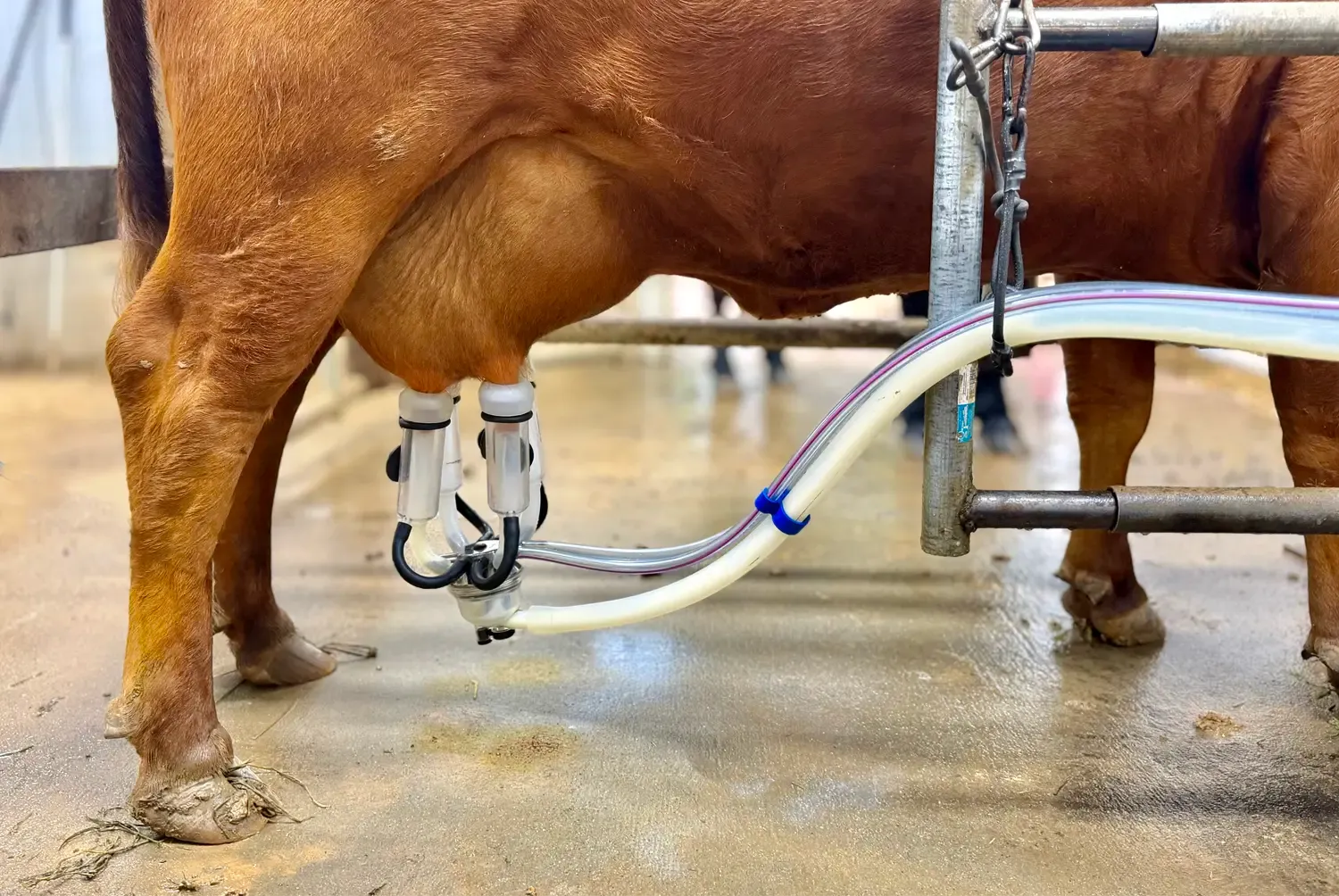
What “Dual-Purpose” Actually Means
When a breed is called dual-purpose, it means the breed has historically been used for more than one purpose. In Dexter cattle, that usually means both milk and meat.
That is a breed-level description.
It is not a promise that every individual Dexter cow will produce enough milk for your family, have an udder that is practical to milk, stand calmly in the stanchion, let down well for people, or maintain useful production beyond the early part of lactation. Those traits are not guaranteed by the word “Dexter.”
They must be selected for, managed, observed, and proven.
Some Dexters are wonderful family milk cows. Some are more useful as beef animals. Some are somewhere in the middle. Some technically produce milk, but not enough to justify the daily work of milking for a homestead family.
Dual-purpose is potential. Milk records are proof.
This is why asking for “milking lines” matters. A buyer looking for household milk should not only ask whether the animal is a Dexter. They should ask whether the cow family has actually shown useful milk production, practical udders, calm temperaments, and the ability to work in a real family milk routine.
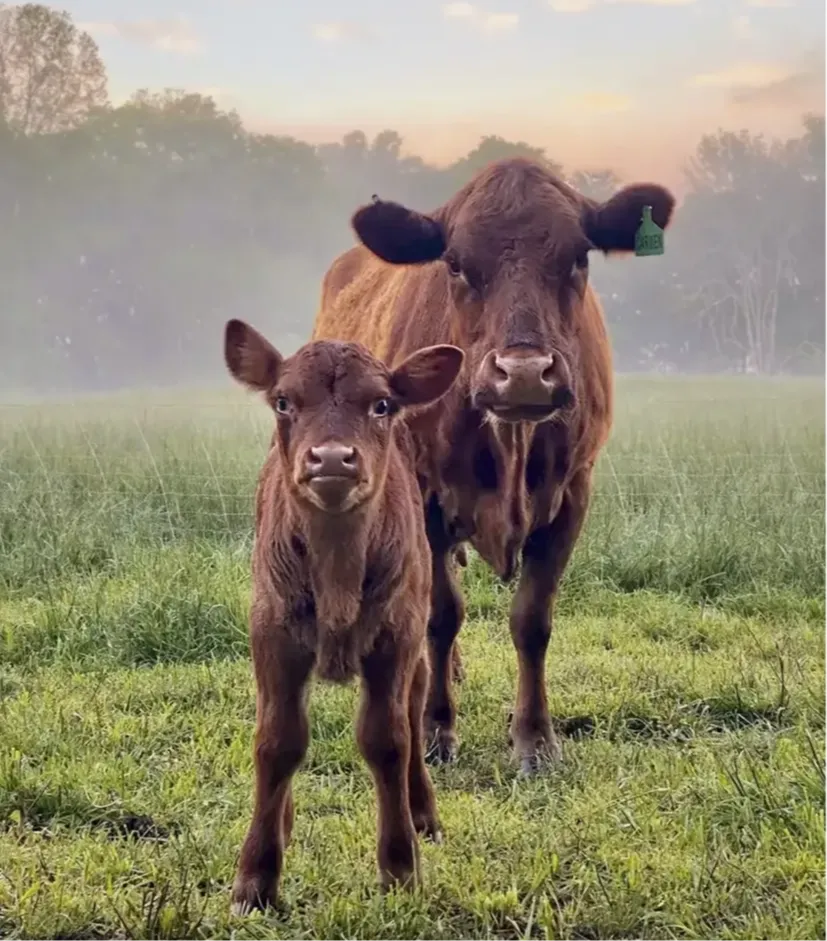
An ADCA Number Is Not a Milk Record
Registration matters. I raise registered Dexter cattle, and I value accurate pedigree records. Registration helps protect breed history, parentage, ownership, and long-term herd documentation.
But an ADCA registration number does not tell you whether a Dexter cow will milk well or have any practical dairy usefulness at all. An ADCA number simply confirms that the animal is registered through the American Dexter Cattle Association.
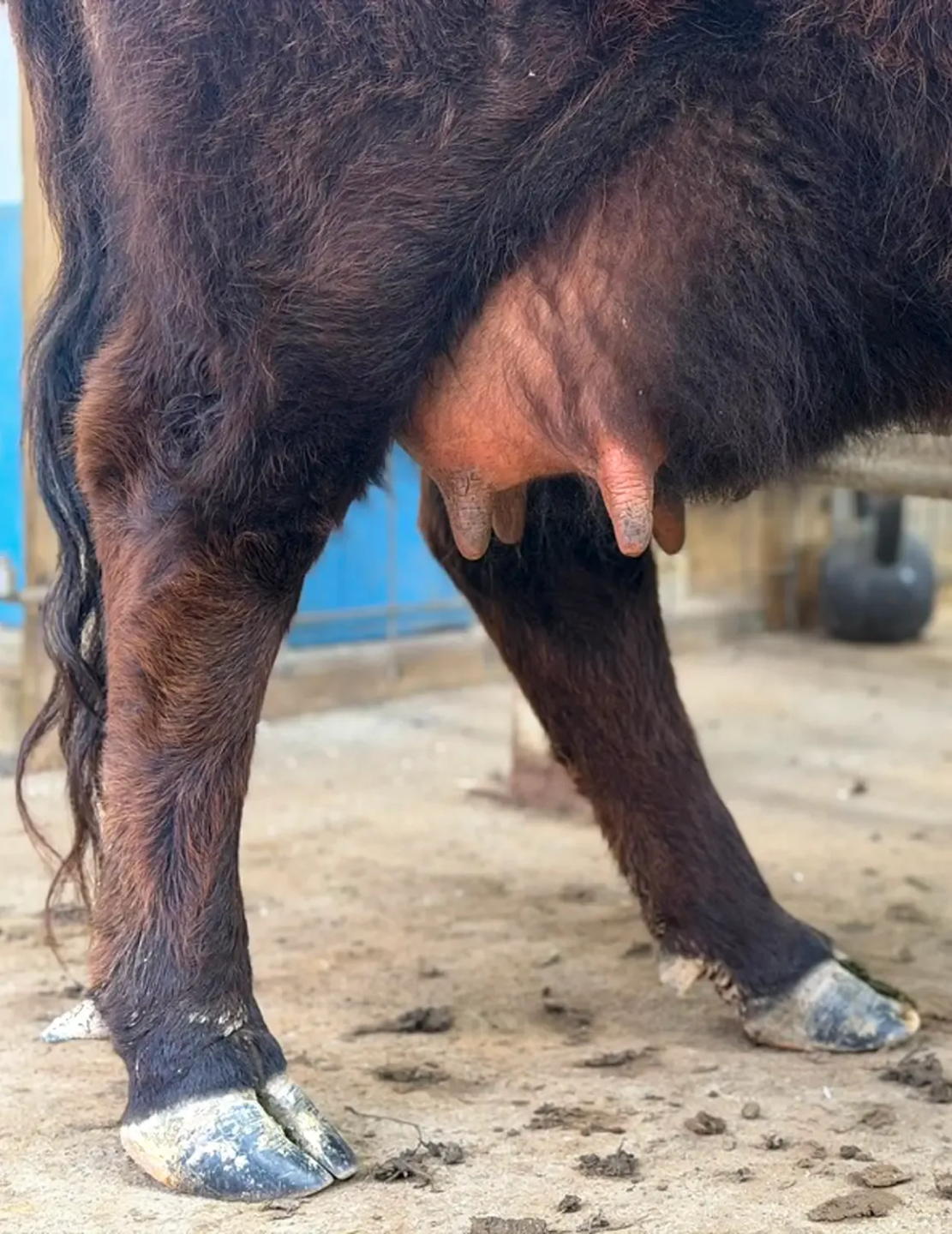
It does not tell you:
- whether the cow has enough milk for a household,
- whether her udder will hold up over time,
- whether her teats are practical for hand milking,
- whether she lets down well for people,
- whether she stands calmly in the stanchion,
- whether her dam or granddam were milked, or
- whether her close cow family has proven dairy usefulness.
That is why buyers looking for Dexter milk genetics need to look beyond registration alone.
Registration proves pedigree. Records prove usefulness.
A registered Dexter may be a wonderful animal and still not be the right family milk cow. The question is not only, “Is she registered?” The better question is, “What evidence shows that this cow family can actually do the job I need?”
Look for Milking Evidence, Not Just “Milking Lines”
The phrase “milking lines” can be helpful, but it can also be vague.
Some people use it to mean a Dexter has dairy-looking ancestry. Some mean the cow comes from a herd known for milk. Some mean the breeder has heard that a certain family milks well. Some simply mean the cow has an udder. Those are not all the same thing.
If you are trying to find a Dexter for milk, do not stop at the phrase “milking lines.”
Ask what evidence supports the claim. Useful evidence may include:
- actual milk records,
- photos of the dam in milk,
- photos of mature cows instead of only calves,
- information about the granddam or mature sisters,
- records from more than one lactation,
- notes about hand-milking or machine milking temperament,
- clear notes about how the cow was actually milked and managed,
- udder photos from freshening and later lactation,
- teat placement that works for a human hand,
- evidence that the breeder actually milks the cows.
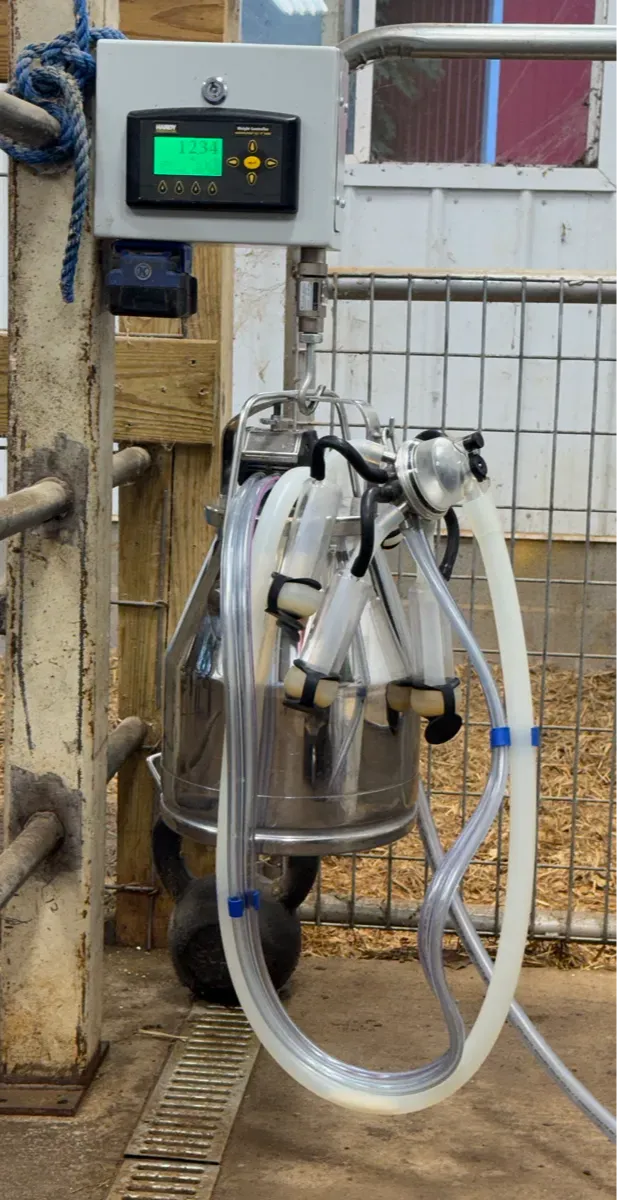
A breeder does not have to keep records exactly the way I do. Farm life is not a laboratory, and every herd has its own system. But if a Dexter is being represented as a future family milk cow, there should be more than a vague label behind that claim.
Do not shop by breeder prefix alone. Look for records, mature cow families, udders that hold up, and cattle that have actually been milked.
A name can open the door, however, evidence tells you whether that door leads where you want to go.
Ask About the Cow Family, Not Just the Heifer Calf
A heifer calf may be beautiful, but she has not proven anything yet. When you are looking for a future Dexter milk cow, the calf is only part of the picture. Her cow family matters.
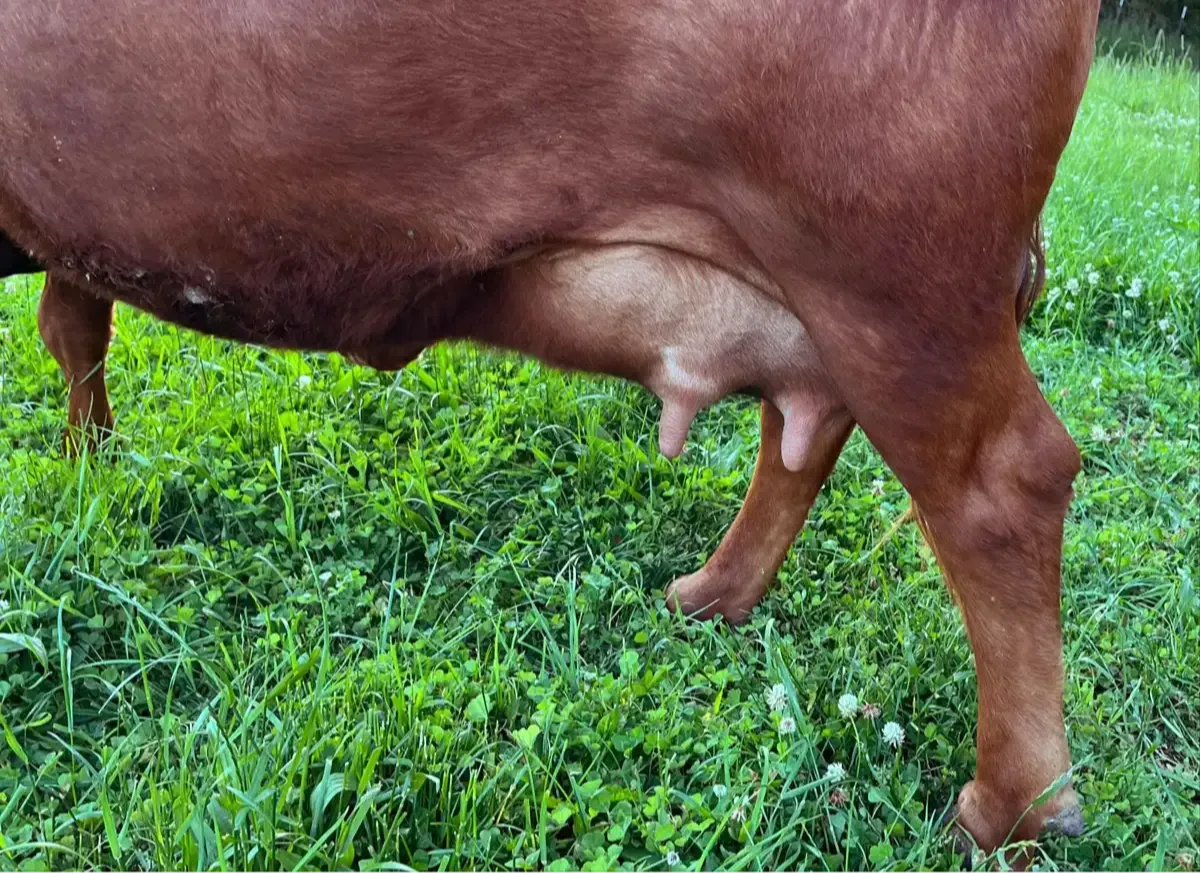
Ask about:
- her dam,
- her granddam,
- maternal sisters,
- mature daughters, if any exist,
- the sire’s dam, and
- milking daughters from the sire, when available.
This does not mean every animal in the family will be identical. Cattle are living creatures, not copies of one another. But consistent patterns matter. If the dam milks well, the granddam held a good udder into maturity, and close relatives are calm and practical to milk, that gives a buyer more information than a calf photo alone.
When I evaluate a Dexter for future milk potential, I want to know what her close relatives have done in real life. Did they freshen easily? Did they raise calves well? Were they actually milked? Did they have enough production for a household? Did their udders hold up? Were their teats practical? Did they stand calmly? Did they keep useful production beyond the early peak?
A calf shows possibility. A mature cow family shows pattern.
Milk potential is easier to trust when you see usefulness repeated through a family. A pattern is not a genetic guarantee of the perfect milk cow, but it increases the likelihood dramatically. One productive cow is encouraging. Multiple useful relatives are stronger evidence.
This is why mature cow photos, milk records, and honest family history are so valuable. They help a buyer see beyond hope and start looking at evidence.
Raising a Calf Is Not the Same as Being a Family Milk Cow
This is one of the most important distinctions for new Dexter buyers to understand.
A Dexter cow may raise a fat, healthy calf and still not be a practical family milk cow.
Raising a calf proves she can mother. It does not prove she will provide useful extra milk for the household. It does not prove she will let down for people. It does not prove she has a practical udder. It does not prove she has hand-milking teats. It does not prove she will stand calmly in a daily milking routine.
For a beef-focused herd, raising a strong calf may be the main goal. That is valid.
But for a family looking for drinking milk, clabber, yogurt, cottage cheese, butter, cream, and cheese, the standard is different.
A good mother is not automatically a good family milk cow.
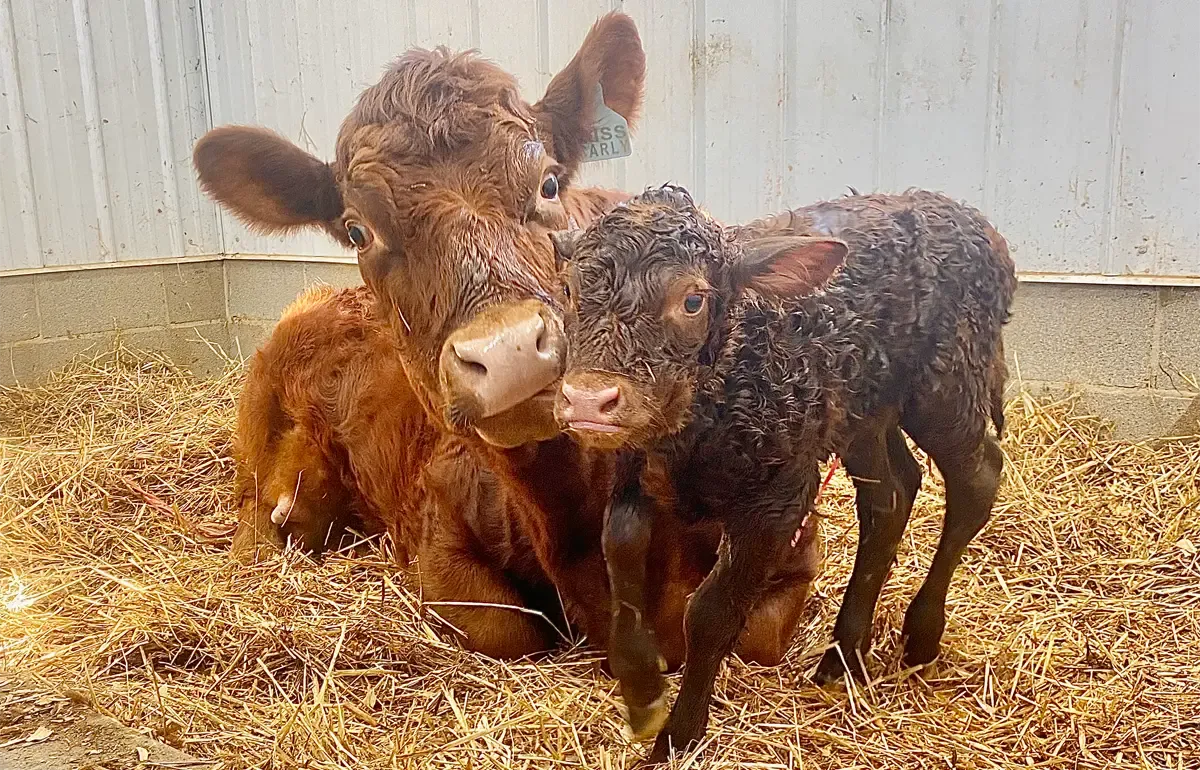
A family milk cow needs to be evaluated as a family milk cow. That means looking at milk volume, udder structure, teat placement, temperament, letdown, and whether the cow has actually been milked in a real routine.
This does not make lower-producing cows bad cows. It simply means buyers need clear expectations before they build a whole homestead milk plan around a cow who may only be suited to raising her own calf.
Milk Production Can Vary Dramatically
Dexter milk production is not one-size-fits-all. Some Dexters produce a modest amount of milk. Some produce a very useful household supply. A few exceptional cows produce far more than many families expect from a small cow.
Those differences matter.
A lower-producing Dexter and a high-producing Dexter may both be registered. They may both be called dual-purpose. They may both raise calves. However, they will create very different lives for the family milking them.
For one family, a modest producer may be perfect. For another, she may be a deep disappointment. For another, an extremely high-producing Dexter may become overwhelming because the milk volume creates daily pressure they were not prepared to manage.
The real question is not simply, “Is she a Dexter?”
The better question is:
What has this individual cow actually proven she can do?
This is where milk records become so valuable. Records help separate memory, hope, and marketing language from the reality of what a cow actually produced.
For a deeper look at realistic production ranges, read How Much Milk Does a Dexter Cow Give?.
Milk Volume Is Only Part of the Picture
Even milk production alone does not tell the whole story. A cow can produce a generous amount of milk and still be difficult to use as a family milk cow.
For a homestead dairy, usefulness includes the whole cow:
- Udder structure: Is the udder well attached and able to hold up over time?
- Teat size: Are the teats practical for hand milking or machine milking?
- Teat placement: Are the teats placed where a person can comfortably milk?
- Temperament: Does she stand calmly and safely?
- Letdown: Does she release milk well for people?
- Persistence: Does she maintain production beyond the early peak?
- Management fit: Does she fit the family’s schedule, skill level, and farm setup?
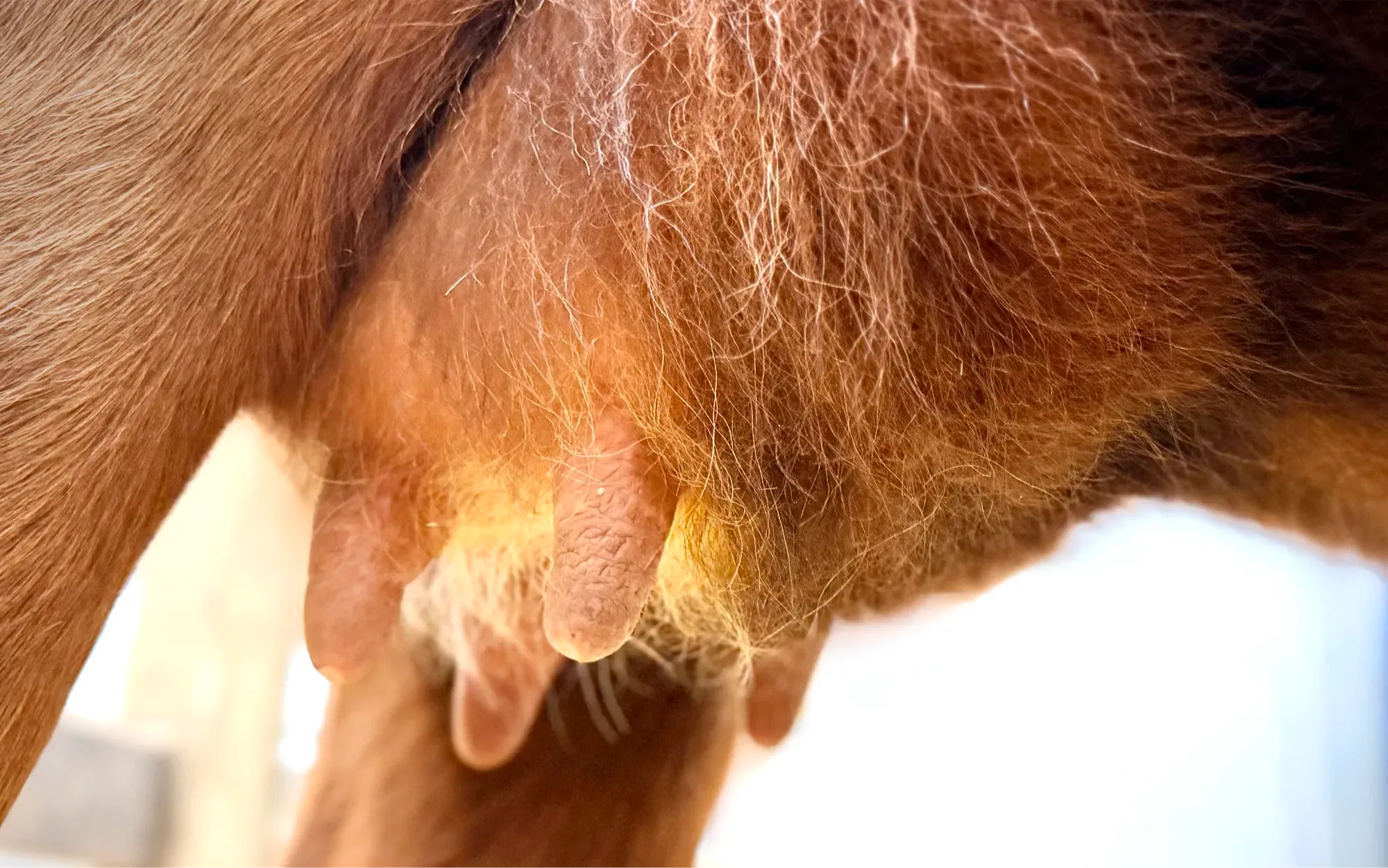
That is why practical usefulness has to be judged by the whole cow, not by milk volume alone. A family milk cow is not just a cow that has milk. She is a cow whose milk can be used in real life.
If you are evaluating cattle, structure matters too. You can learn more in Understanding Dexter Cattle Structure.
Temperament Can Make or Break a Family Milk Cow
Temperament deserves its own section because a cow’s attitude changes everything. A nervous, pushy, aggressive, or unhandled cow may technically have milk, but that does not mean she is suitable for a family milk routine.
Milking is not something you do once in a while. It becomes part of daily life. You are working beside that cow day after day, often early in the morning and late in the evening, often while tired, and often while managing other farm responsibilities at the same time.
A useful Dexter milk cow should be safe, steady, and teachable.
Uncut video of a first-calf Dexter heifer on the milking claw for the first time. A leg rope is used for handler safety while she learns the routine. Temperament does not mean a young cow is perfect on day one; it means she is safe, teachable, and able to settle into real milk-room work.
She does not need to be a pet, but she does need to be manageable. She should be able to learn a routine, stand calmly, respect space, and allow safe handling of her udder.
Milk production is valuable only if the cow can be handled safely and milked consistently.
At Mountain Heritage Farm, temperament is not an afterthought. A cow that cannot be safely handled is not the kind of family milk cow I want to raise, milk, or recommend.
For more on choosing a cow you can safely live with and milk, read How to Choose the Right Dexter Milk Cow.
Why Real Milk Records Matter
Milk records are not about bragging, they are about clarity.
Without records, phrases like “good milker,” “plenty of milk,” “milking lines,” and “dual-purpose” can mean almost anything.
One person may call a cow a good milker because she raises a nice calf. Another may mean she gives a gallon a day. Another may mean she can support drinking milk, yogurt, cottage cheese, butter, cream, and cheesemaking. Those are very different cows.
Real records help remove confusion.
Helpful milk records may include:
- peak production,
- typical daily or weekly milk volume,
- stage of lactation,
- lactation number,
- whether production stayed useful over time,
- how the cow behaved in the stanchion,
- udder and teat observations, and
- notes from close relatives when available.
No record system is perfect. Farm life is not a laboratory. Weather changes, calves grow, cows freshen, routines shift, and real life happens.
But honest records are still far better than vague claims.
Memory can be wrong. Data gives you something steadier to work from.
At Mountain Heritage Farm, milk records are part of how I evaluate my own cows. They help me understand what each cow is actually doing, not just what I think I remember. They also help buyers see the difference between a registered Dexter and a proven family milk cow.
You can see this approach in action on our live Dexter lactation data page, where milk records help show what individual cows are actually producing over time. Individual cow pages then give those numbers more context through pedigree, udder notes, temperament, and family history.
Questions to Ask Before Buying a Dexter for Milk
If you are looking for a Dexter family milk cow, better questions lead to better decisions. Instead of asking only whether a cow is registered, dual-purpose, or from “milking lines,” ask questions that reveal real usefulness.
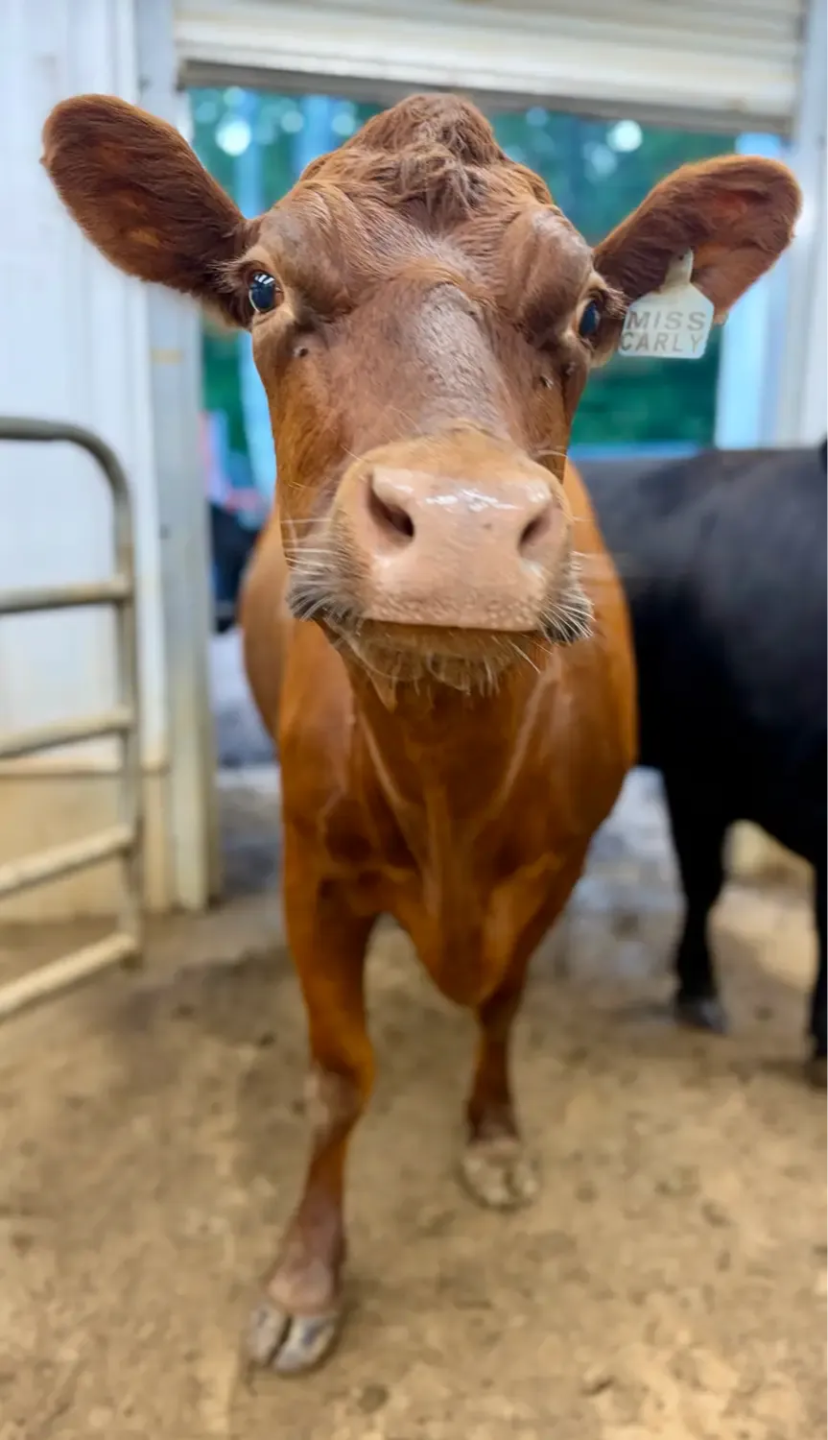
Helpful questions include:
- Has this cow, her dam, or her close cow family actually been milked?
- Are there milk records from this cow family?
- What did she produce at peak?
- What did she produce later in lactation?
- Was she milked by hand, machine, or both?
- How does she behave in the stanchion?
- Does she let down well for people or does she only let down reliably with her calf?
- Are her teats practical for hand milking?
- Does her udder have strong attachment and support?
- Are there photos of her dam and/or granddam in milk?
- Has the cow family shown useful production in more than one generation?
- What are the weaknesses in this cow family?
That last question matters.
No cow family is perfect. Honest breeders know the strengths and weaknesses of their cattle. A breeder who can talk clearly about both is giving you better information than one who only uses broad praise.
Good questions help you move from hope to evidence.
You are not looking for a perfect cow. You are looking for a cow whose strengths, weaknesses, records, structure, and temperament match the life you are actually trying to build.
Download the Dexter Milking Lines Buyer’s Guide
If you are comparing Dexter cattle for future milk use, it helps to have the most important questions in one place.
The downloadable buyer’s guide summarizes what to look for before you choose a Dexter for milk, including milk records, cow families, udder structure, teat placement, temperament, letdown, and realistic family fit.
Dexter Milking Lines Buyer’s GuideSome Dexters Are Better Beef Cows —
And That Is Okay
Not every Dexter needs to be a family milk cow.
Some Dexters are better suited for beef production, calf raising, brush control, or simply being part of a small, practical homestead herd. That does not make them bad cattle. It means their strengths are different.
A cow that raises a strong calf, keeps condition well, and produces enough milk for her own calf may be doing her job beautifully in a beef-focused herd.
The problem only begins when every Dexter is described as though she will naturally fit a household milk routine.
A family looking for daily milk has different needs than a family looking for freezer beef or a low-input brood cow. Both goals can be valid, but they require different selection priorities.
The right Dexter is not the same cow for every family.
That is why honest evaluation matters. A cow can be valuable, registered, healthy, and well-bred without being the right choice for someone who needs a dependable family milk cow.
Clear expectations protect buyers, breeders, and cattle.
What a Truly Useful Dexter Milk Cow Looks Like
A truly useful Dexter milk cow is not defined by one trait alone.
She is not useful only because she is registered. She is not useful only because she has dairy ancestry. She is not useful only because she raises a calf. She is not useful only because she gives a large amount of milk for a short time.
A truly useful Dexter milk cow brings several traits together.
She should have enough milk to meet the family’s goals. She should have an udder that is practical to milk and structured well enough to last. She should have teats that work for human hands or a milking machine. She should be safe to handle, able to learn a routine, and willing to let down for people.
She should also fit the farm where she is going.
Some families want a modest amount of milk for drinking and simple dairy projects. Some want enough milk for yogurt, clabber, cottage cheese, butter, cream, and cheesemaking. Some families need a cow gentle enough for beginners. Others have more experience and can manage a higher-producing cow with more daily demands.
The best Dexter milk cow is the one whose records, structure, temperament, and production fit the life she is being asked to support.
That is the goal: not chasing a label, not chasing a particular breeder prefix, and not assuming every Dexter will milk the same way.
The goal is matching real cattle to real families with honest expectations.
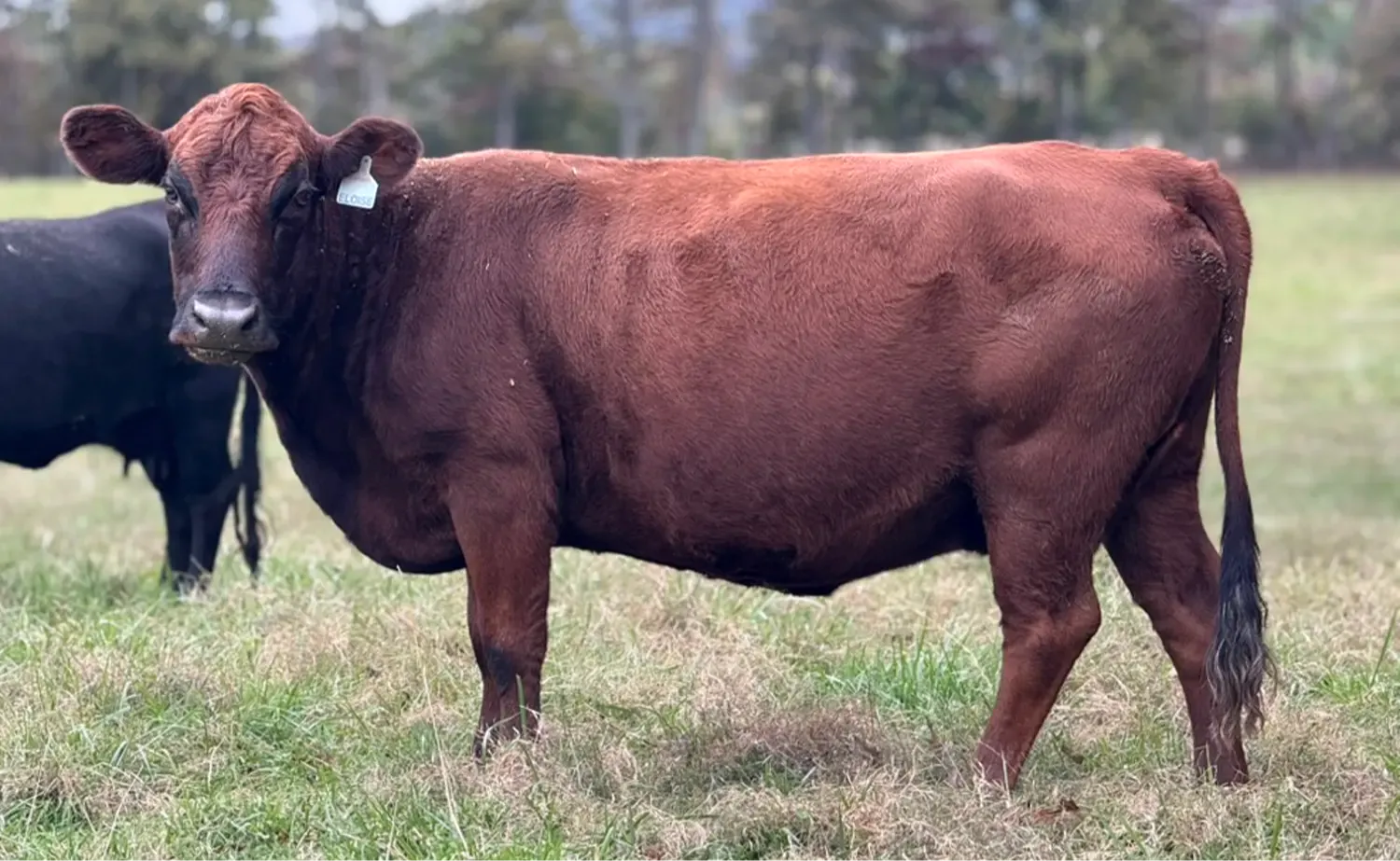
Why I Talk Openly About This
I talk openly about Dexter milk records, udder structure, temperament, and cow families because buyers deserve clear expectations.
A family milk cow is not a small purchase. She changes your daily schedule, your freezer, your kitchen, your chore routine, and sometimes your whole farm plan. The right cow can be a tremendous blessing. The wrong cow, or even the wrong fit, can create frustration very quickly.
That is why I would rather be honest than vague.
Not every Dexter is the right family milk cow. Not every family needs the highest-producing cow. Not every good cow fits every homestead. Those truths are not discouraging. They are useful.
Clear expectations help people choose cattle they can actually live with.
At Mountain Heritage Farm, I want buyers to understand what the cattle have actually shown, not just what a breed description might suggest. Milk records, mature cow photos, udder notes, temperament observations, and cow family history all help turn a hopeful guess into a better-informed decision.
That is better for the buyer, better for the breeder, and better for the cow.
So, Are Dexters Really Dual-Purpose?
Yes, Dexter cattle are a dual-purpose breed. However, dual-purpose does not mean every individual Dexter cow will automatically serve every purpose equally well.
The breed has genuine milk history. It also has modern beef usefulness. That is part of what makes Dexters so valuable for small farms and homesteads. But the individual cow still matters.
A useful Dexter milk cow is proven through more than a breed label. She is proven through production, structure, temperament, cow family, and real-life management.
A useful Dexter beef animal is also valuable. A cow that raises a strong calf, holds condition, and fits a low-input beef-focused role is not a failure simply because she is not the right family milk cow.
Dual-purpose describes the breed. Purpose-fit describes the cow.
That distinction helps buyers make better decisions. Instead of assuming every Dexter will do everything, look for the animal whose proven strengths match your actual goals.
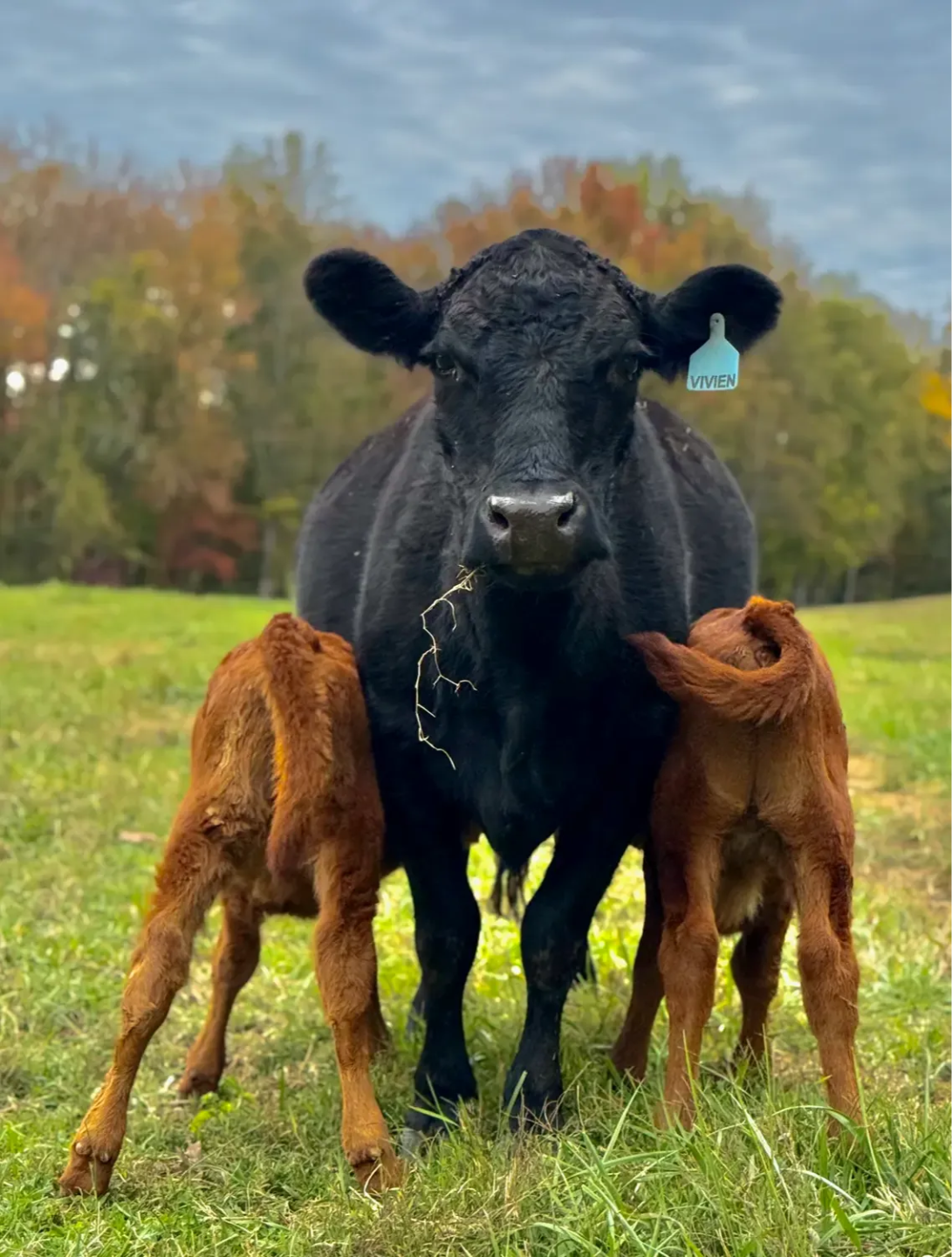
Final Thought: Look for Proof, Not Just a Label
If you are trying to find Dexter milking lines, do not begin and end with a registration number, a pretty calf photo, the phrase “dual-purpose,” or even a specific breeder prefix.
Even within well-established Dexter breeder prefixes, there can be variation. The “milk line” prefixes people talk about may include average milkers, elite milkers, and the occasional low-production cow. A respected name can be useful information, but it should never replace looking closely at the individual cow and her family.
Instead, look at the cow family — yes, even when the cow comes from a known milking background. Look for the records. Look for mature udders. Look for practical teats. Look for temperament. Look for real milking experience. Look for honest notes about both strengths and weaknesses.
A good Dexter milk cow is not created by a label. She is proven through her time in the stanchion, her lactation records, and daily life.
In the case of a weanling heifer, look closely at her dam and granddams. If they performed well as family milk cows, the heifer is more likely to become what you expect as she matures. There are never guarantees with cattle — genetics are weird like that — but the family is a good indicator.
That is what I want buyers to understand before they bring a cow home. The right Dexter can be a wonderful family milk cow, but the right cow is found by looking carefully at evidence — not by assuming every Dexter will milk the same way.
If you are still learning what kind of cow fits your family, start with How to Choose the Right Dexter Milk Cow and How Much Milk Does a Dexter Cow Give?.
Want the quick checklist version? Download the Dexter Milking Lines Buyer’s Guide.