Working with a Large Animal Veterinarian
Step 1 in the Raw Milk Roadmap • by Michelle Parsley, M.Photog., M.Artist, Cr.
Milk Safety Begins With the Cow
Milk safety does not begin in the milk room.
It begins in the pasture.
Before equipment is sanitized.
Before milk is cooled.
Before jars are filled.
It begins with the health status of the cow herself.
If you produce raw milk, one of the most important decisions you can make is to establish a working relationship with a large animal veterinarian who knows your cows, your management style, and your region.
A small herd gives you something commercial systems rarely have: individual control. You are not managing anonymous production units. You are stewarding known animals — often for a decade or more.
Long-term cows require long-term thinking.
Why a Veterinarian Matters in a Raw Milk System
When milk is consumed raw, herd health decisions carry direct implications for the family consuming it.
That does not require fear.
It requires clarity.
A veterinarian provides informed evaluation when questions arise — reducing assumptions and replacing them with evidence-based guidance.
In a raw milk system, guesswork is not stewardship.
Measured judgment is.
Your Most Important Biosecurity Partner
The most important biosecurity relationship you can establish is with a knowledgeable large animal veterinarian.
Not search engines.
Not online forums.
Not secondhand advice.
A veterinarian understands:
- Regional disease pressure
- Wildlife exposure patterns
- Neighboring herd movement
- Climate-related stress cycles
- Current local outbreaks
Disease pressure in Tennessee is not identical to Wisconsin or Texas. Management density differs. Wildlife pressure differs. Herd movement differs.
Context matters.
Biosecurity is not built on alarm — it is built on informed, region-specific guidance.
What a Strong Vet Relationship Gives You
A strong veterinary relationship provides something less tangible — but just as important:
Clarity when something looks “off.”
A simple phone call can help determine:
- Is this urgent?
- Should she be removed from the milk line immediately?\
- Is monitoring appropriate?
- Do we test now or reassess in 48 hours?
That experienced perspective prevents both overreaction and dangerous delay. In livestock management, panic wastes resources. Delay costs animals.
A veterinarian helps you move deliberately — not emotionally.
Veterinary Care and Practical Stewardship
Small family herds today are not disposable livestock systems.
Most Dexter milk cows represent:
- Significant financial investment
- Years of intentional breeding
- A proven production history
- A reliable household food source
When something goes wrong, situations generally fall into three categories:
- Clearly treatable
- Clearly non-survivable
- Uncertain
It is the third category that requires discernment. Without experienced evaluation, “uncertain” can be mistaken for hopeless.
A veterinarian provides:
- Diagnosis instead of assumption
- Treatment options instead of guesswork
- A realistic prognosis instead of emotion
There are times when humane euthanasia is appropriate. But there are also many situations where timely veterinary guidance preserves both the animal and the investment.
Wisdom is not measured by how quickly we end a life — it is measured by how carefully we evaluate it.
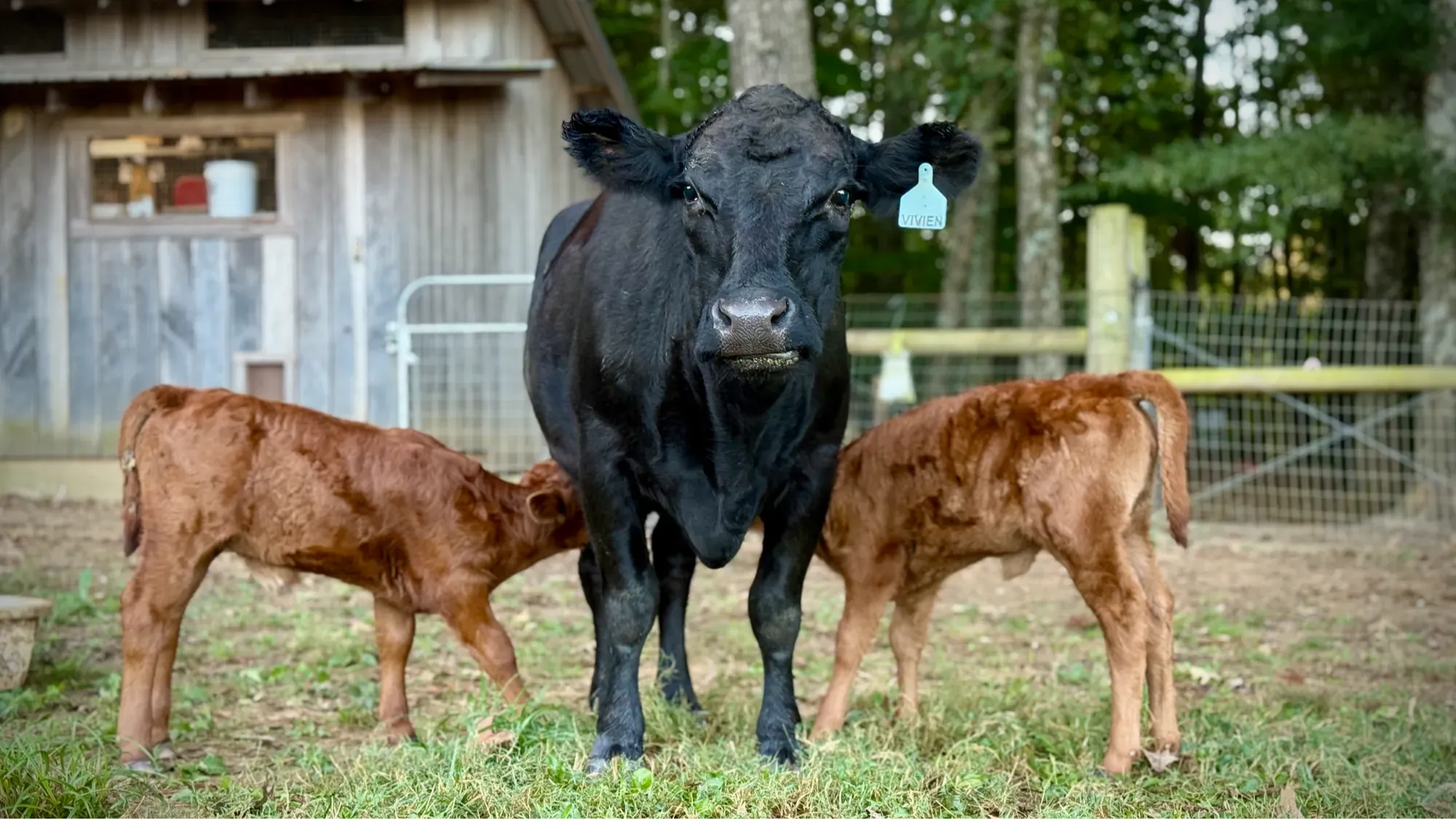
Build the Relationship Before You Need It
Do this early — not during an emergency.
Step-by-step:
-
Schedule a herd health consult, even if everything appears normal.
-
Clearly communicate your goals:
-
Raw milk for family use
-
Herdshare program
-
Closed breeding program
-
-
Ask what diseases are relevant in your specific region.
-
Clarify emergency protocols and expectations.
-
Discuss your management realities (fence lines, new animal introductions, wildlife exposure).
When a crisis happens, you want an established relationship — not a first introduction.
Questions to Bring to Your Veterinarian
If building a small raw milk herd from the ground up, consider asking:
- What infectious diseases are relevant to dairy cattle in our region?
- Which of those have human health implications?
- What screening panels are appropriate for a herd of my size?
- How often should testing be repeated?
- What testing is recommended before introducing new animals?
- What reproductive diseases should be screened if using a natural service bull?
- What clinical signs require immediate removal from the milk line?
- How should suspect milk be handled while awaiting results?
Some herd owners choose to monitor more broadly than the regional minimum. That is a personal risk decision made in consultation with a veterinarian.
Testing does not remove all risk. It reduces unknowns.
Where Veterinary Guidance Becomes Practical
Veterinary partnership becomes especially valuable when management decisions carry biological risk, such as:
- Introducing a new animal
- Using an outside bull
- Sharing fence lines with neighboring cattle
- Determining whether a herd is truly closed
Detailed protocols are addressed in the Disease Testing and Biosecurity sections.
What matters here is this:
These decisions should not be made in isolation.
At Any Scale
Whether you milk one cow for your family or manage a herdshare:
- Establish disease status
- Maintain clear herd boundaries
- Evaluate risk before introducing new animals
- Work with a veterinarian familiar with your region
Scale changes convenience.
It does not change responsibility.
Stewardship remains the same.
You've Completed Step 1
This step includes four foundational components:
- How to Choose the Right Dexter Milk Cow
- Disease Testing & Herd Health Monitoring
- Biosecurity for Small Raw Milk Herds
- Working with a Large Animal Veterinarian